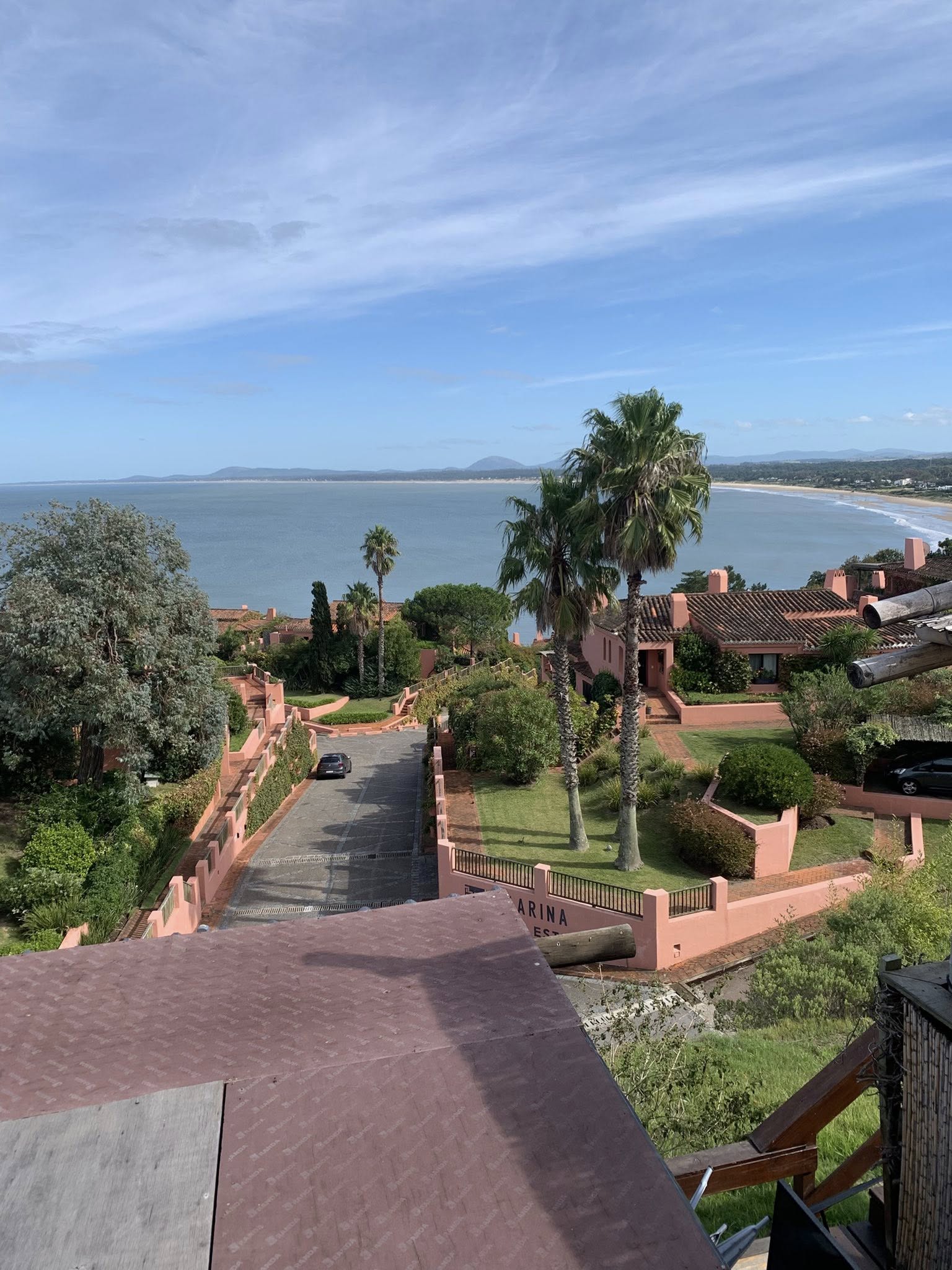
I began my new year’s journey in Uruguay, where the rhythm of life slows with the season’s end. The coastal towns were quiet, the beaches wrapped in rain and high winds — nature’s gentle reminder that travel isn’t always sunshine, but there’s beauty in stillness too. Tomorrow, I’ll be heading onward to explore more of South America, but this peaceful pause has been a lovely beginning.
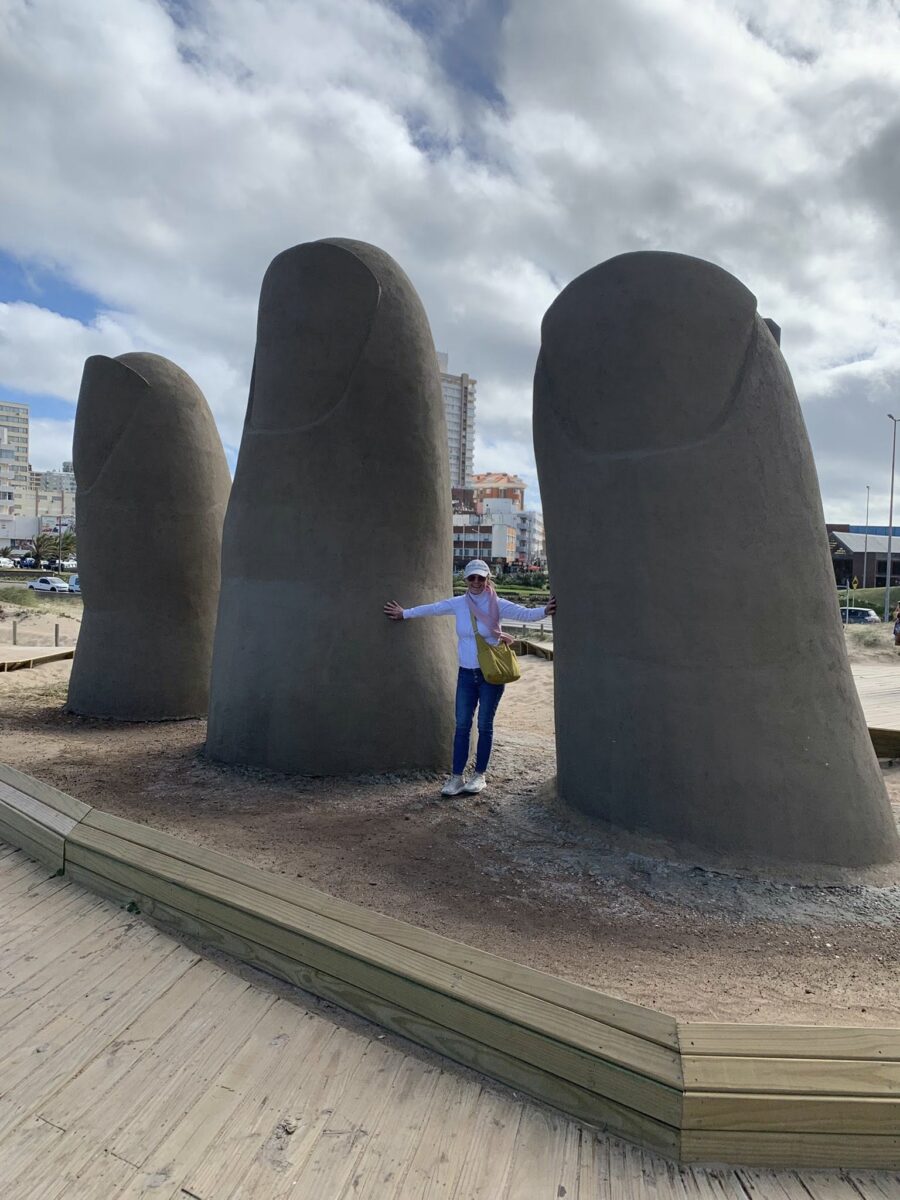
One of Uruguay’s most famous landmarks, La Mano (or The Hand), stands dramatically on Brava Beach — five giant fingers rising from the sand. Sculpted in 1981 by Chilean artist Mario Irarrázabal, it serves as a symbolic warning to swimmers and surfers of the sea’s strength and danger. Locals also call it Emerging to Life — a reminder that from beneath the waves, humanity always finds a way to rise again. The sculpture became so beloved that Irarrázabal recreated it in Madrid, Venice, and Chile.
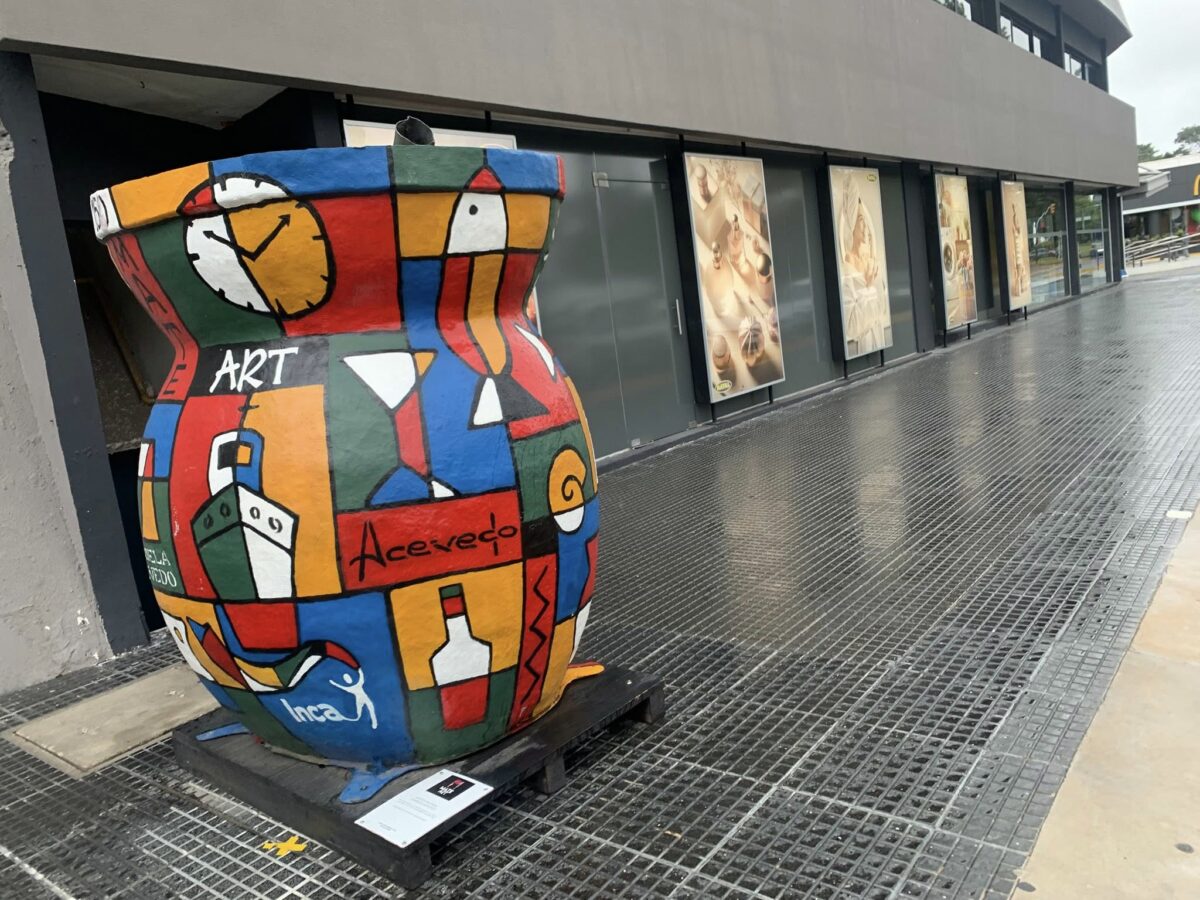
Uruguayans have a sweet spot for chocolate, pastries, and mate, their traditional herbal tea. The sounds of tango, techno, and freestyle beats drift from cafés and small clubs — though I didn’t join in this time, the music made for a perfect soundtrack to quiet evenings.
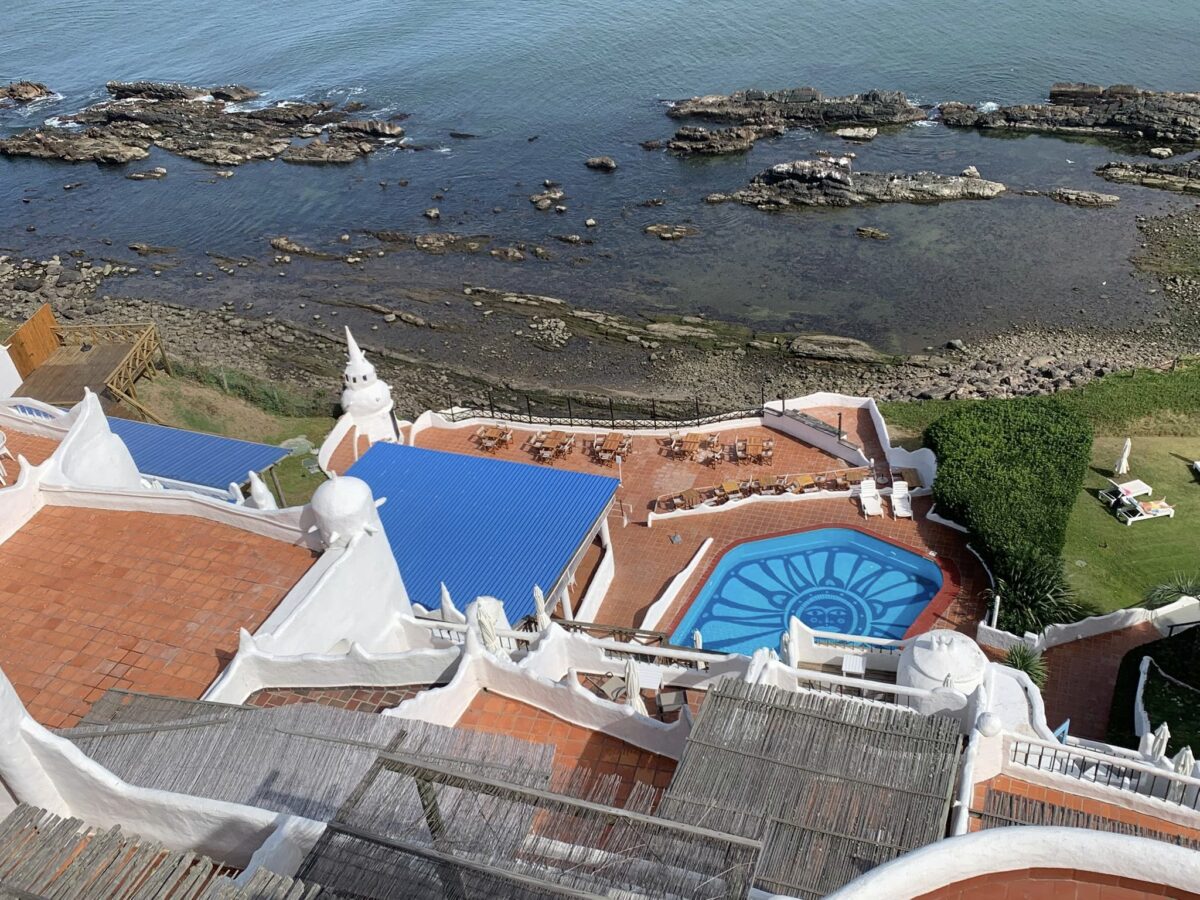
A highlight of the trip was visiting Casapueblo, the extraordinary cliffside home of renowned Uruguayan artist Carlos Páez Vilaró. Built by hand, it’s a living sculpture in itself — all white with blue accents, flowing curves, mermaid motifs, and towers that catch the sunlight. The place feels like a blend of Santorini’s serenity and Cappadocia’s dreamlike charm. Once a home and studio, it now stands as a museum overlooking Punta Ballena, offering sweeping views of the sea and a sense of calm that lingers long after you leave.
Uruguay may be small and often overlooked, but its soul — found in art, music, and the quiet warmth of its people — leaves a lasting impression.
Leave a Reply