A collection of global journeys, cultural encounters, and quiet moments — Sharon’s Sojourns shares life on the road through storytelling, reflection, and a lifelong love of discovery.
From the dazzling rhythm of Tokyo to the quiet grace of Kyoto, the charm of Osaka’s backstreets, the warmth of Nada’s neighborhoods, and the cool serenity of Hokkaido.
Every day was an unfolding story — of shared laughter, late-night ramen, train rides through misty landscapes, and small moments of wonder that linger long after the suitcase is unpacked. Japan, with all its beauty and balance, reminded me that travel isn’t just about seeing new places, but about feeling them — one heartbeat, one conversation, one memory at a time.
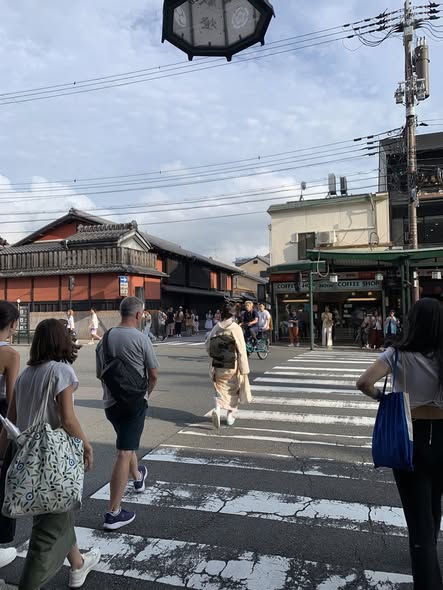
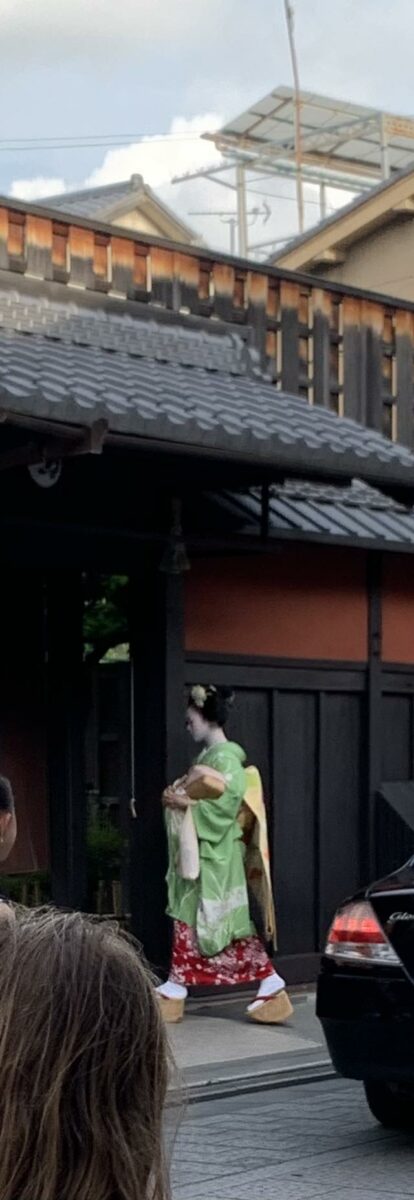
It’s said that spotting a true working geisha on the streets is rare — but we were fortunate. We saw several, each one gliding past with poise and purpose, their every movement elegant and deliberate. This one walked swiftly, her presence commanding yet graceful, as if time itself slowed around her.
I learned that geishas are deeply respected artists, masters of music, dance, and conversation. There are only about 200 in Kyoto and 100 left in Tokyo today. Each year, only a handful — sometimes just 10 to 20 — are chosen to begin the five-year journey to become full-fledged geishas. They retire upon marriage, passing the torch to the next generation of maiko, their apprentices.
The oldest living geisha is 91 — still a living symbol of beauty, discipline, and tradition that endures through time.
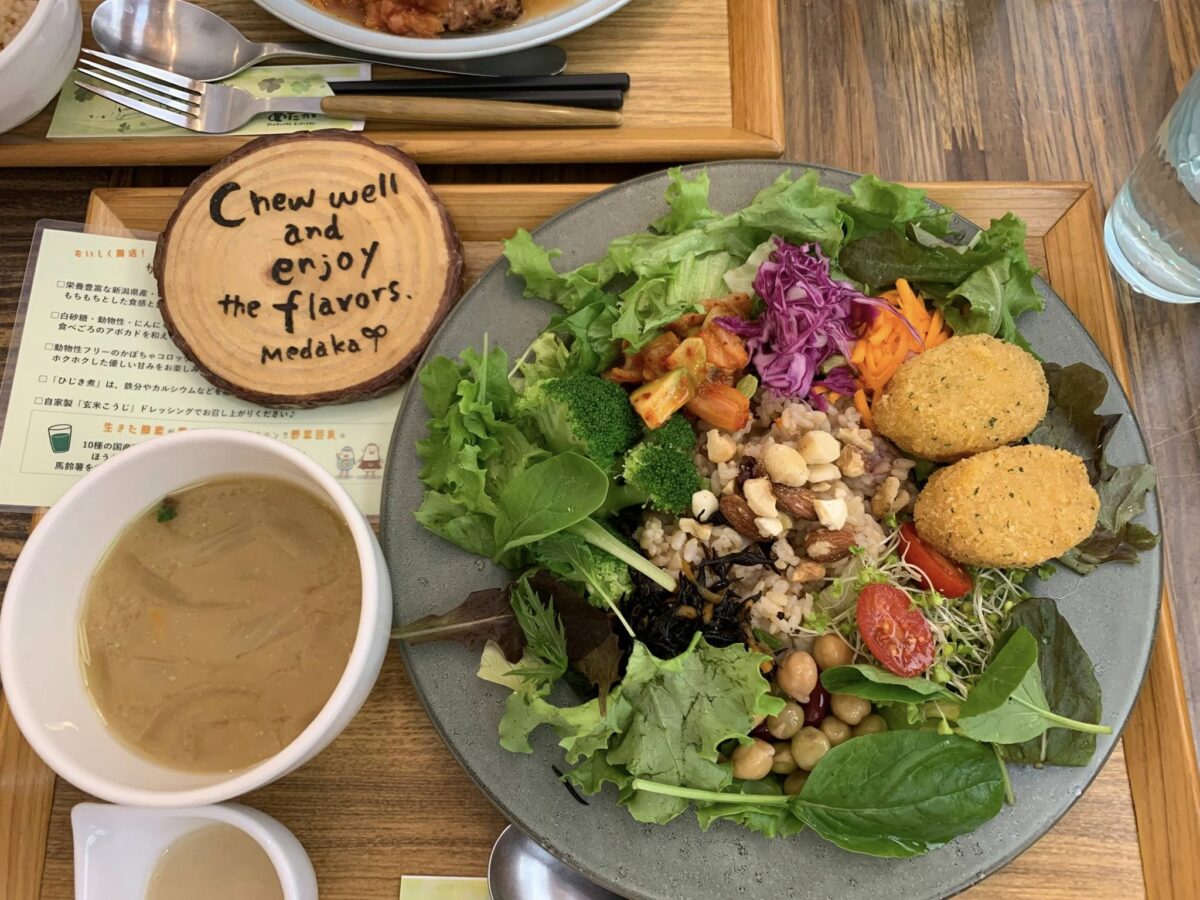
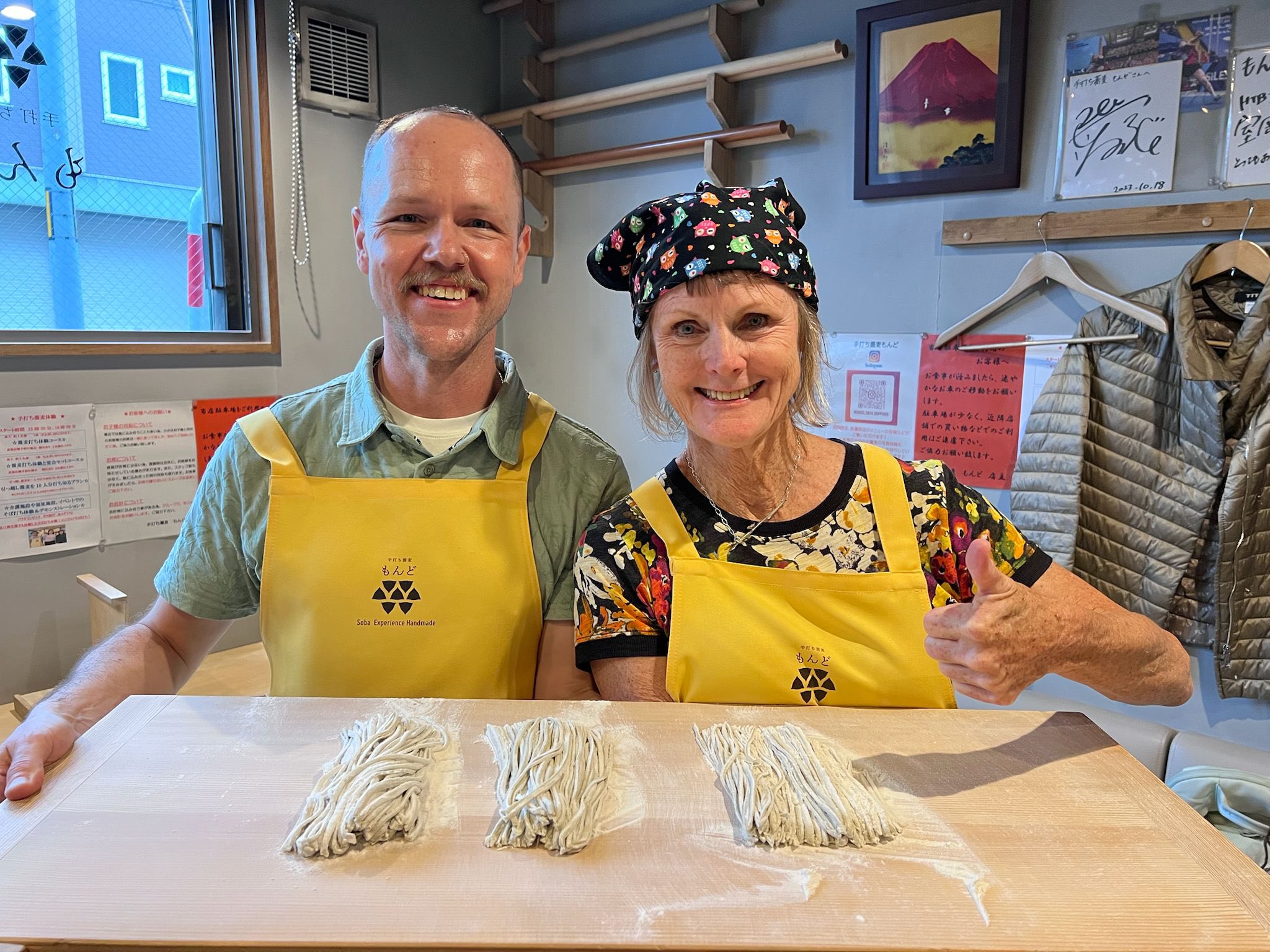
One of my favorite experiences — learning to make soba noodles from scratch. Just buckwheat flour, water, and patience… rolled thin, sliced carefully, then cooked and served with fresh vegetables, warm broth, and a cold beer. Simple ingredients, yet full of heart — a true taste of Japan’s quiet craftsmanship and care.
After some time deep in the Amazon of Ecuador, surrounded by the pulse of the rainforest, I found myself stepping back into the sophistication of Quito — a city of charm and contrast. The shift from wild to refined felt like changing worlds overnight.
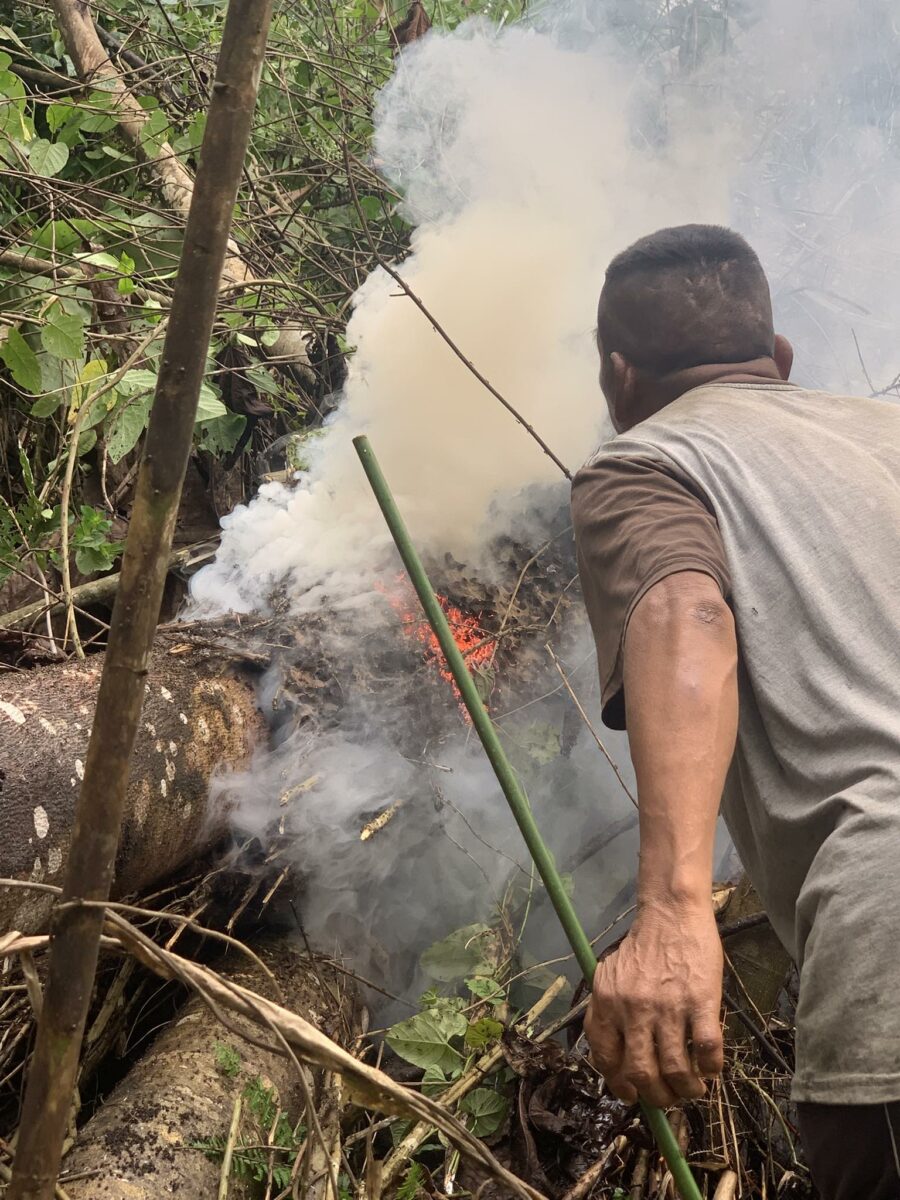
In the jungle, we came across a giant tree alive with a nest of large black ants — fierce little creatures whose bites and stings demanded respect. A small fire was lit to smoke them out, the air thick with the scent of burning leaves and rain-soaked earth. Nearby, men worked with chainsaws and hatchets, cutting and measuring trees for sale. Even the young boys joined in, rolling logs down muddy slopes — and yes, I helped a little too! Watching them hoist massive logs onto their shoulders was humbling, a reminder of how strong the human spirit can be when work and life blend into one.
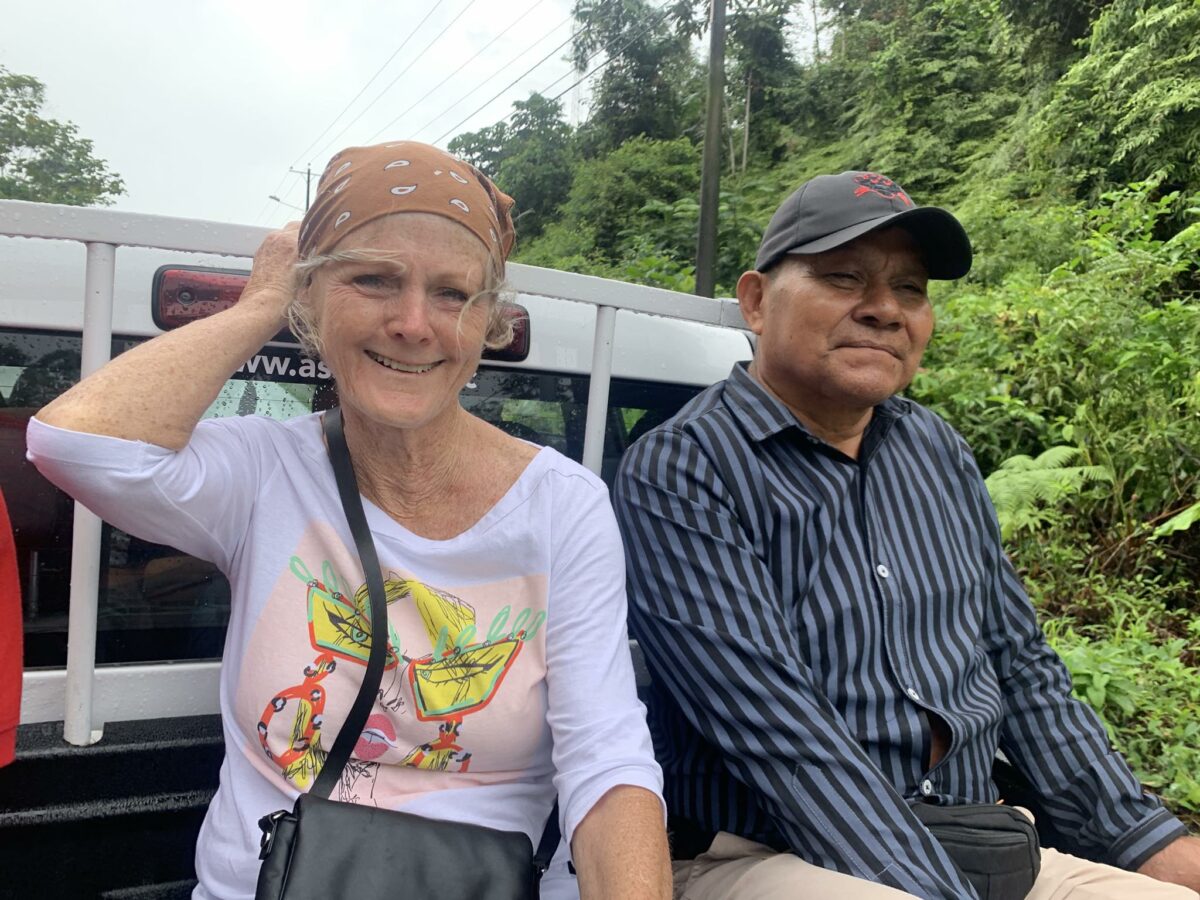
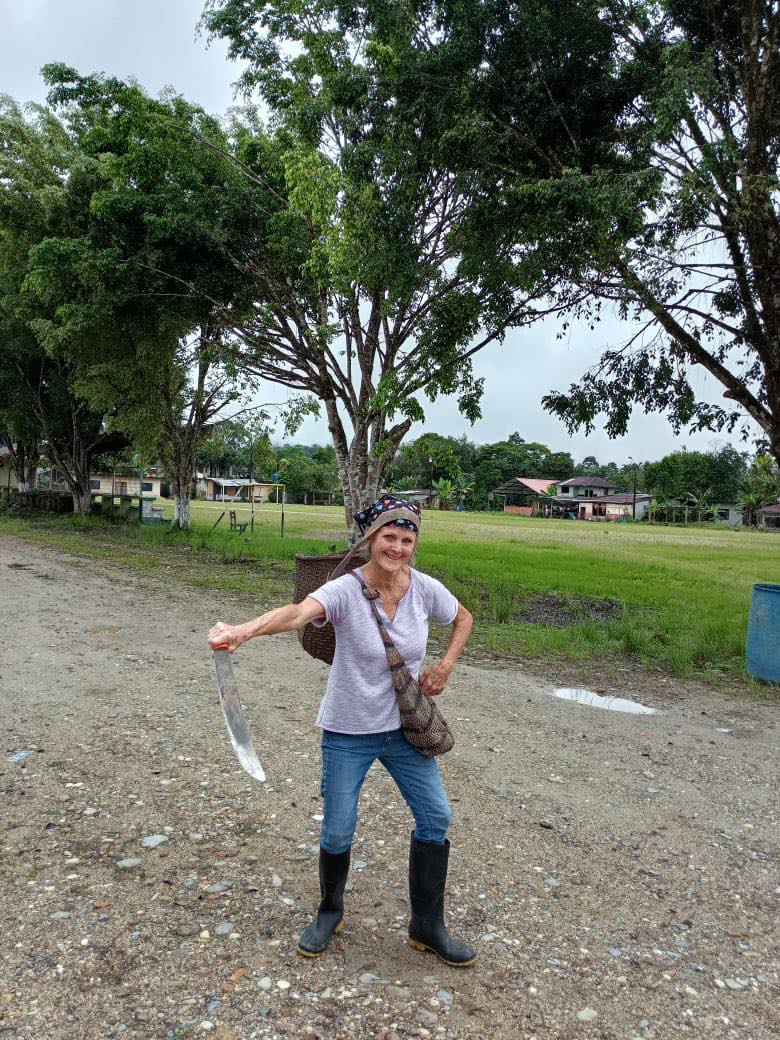
Before long, I found myself living like a Kichwa woman — basket on my back, machete at my side, and sturdy water boots for the rain-soaked ground. Transport? The back of a pickup truck, of course — faster than the local bus and far more thrilling, with wind, rain, and laughter mixing together.
In Tena, I met Mateo, a tiny hand-sized monkey from a nearby traditional village show. Nights there are a celebration of life — a crackling fire, loud music, and plenty of local yucca alcohol and cerveza to keep spirits high, even in the rain.
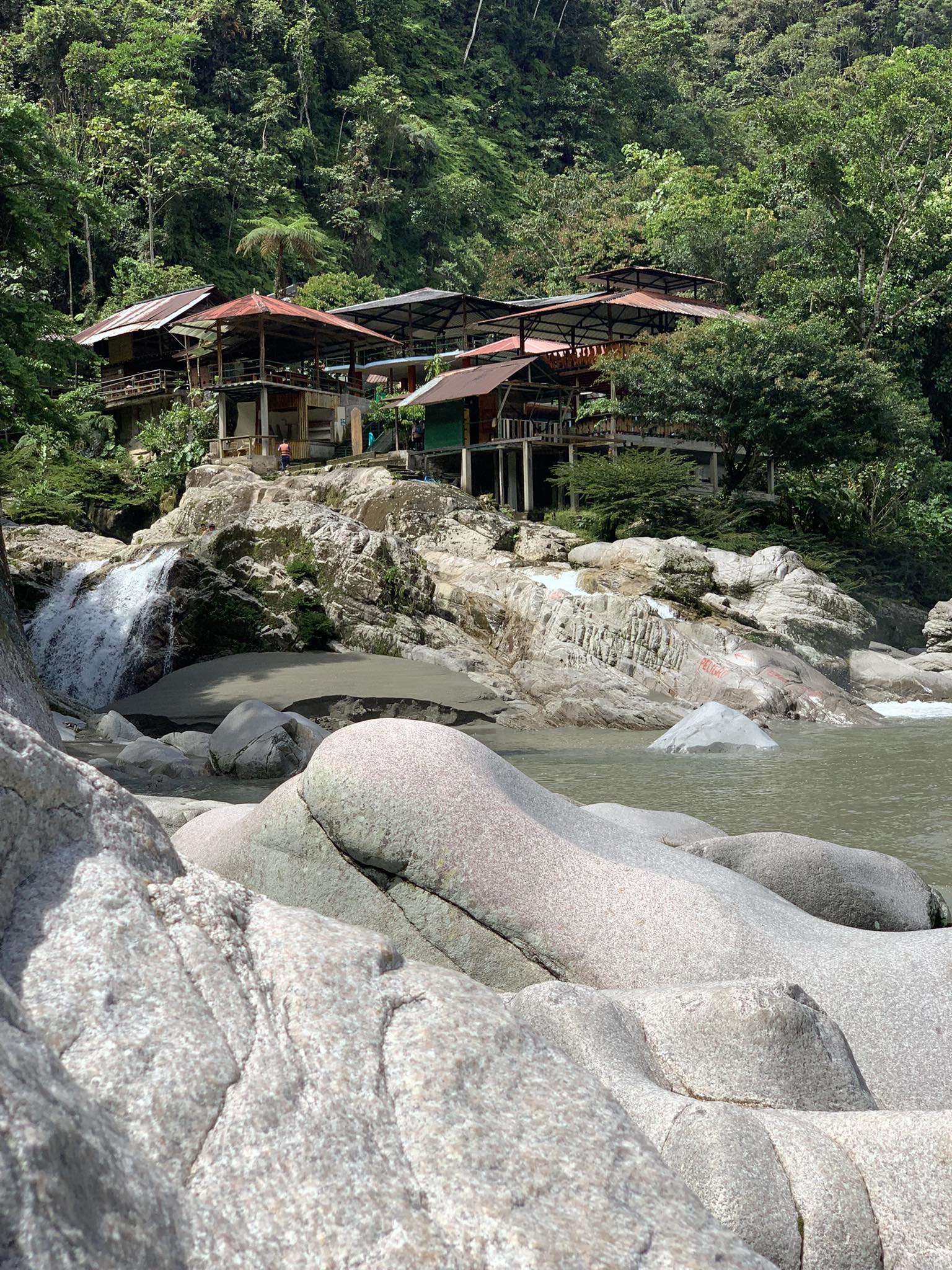
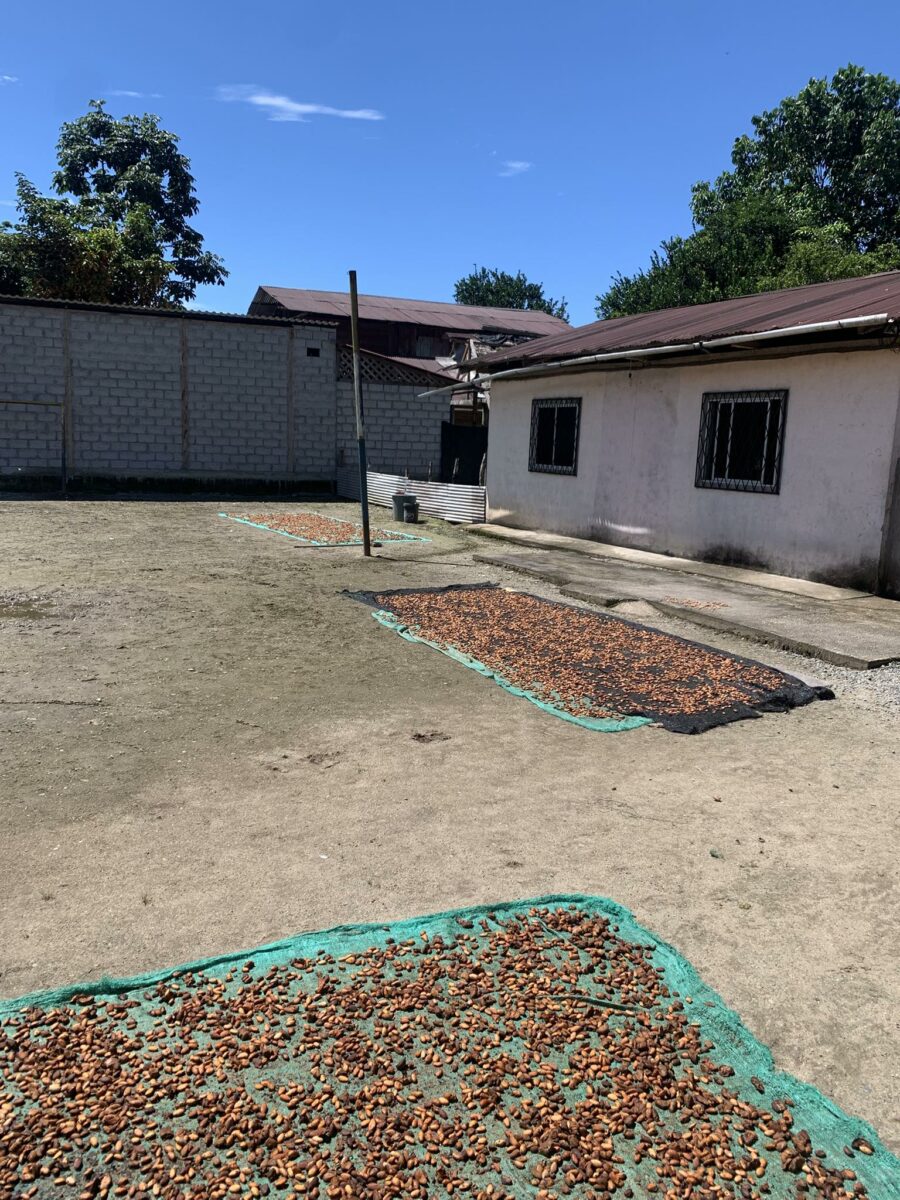
Everywhere, the scent of fresh cacao drying in the sun lingers — sweet, earthy, and unforgettable. And when the heat and humidity grow heavy, there’s always Tena Lagoon, a place to swim, swing in a hammock, eat, relax, and simply breathe in the pure, untamed air of Ecuador.
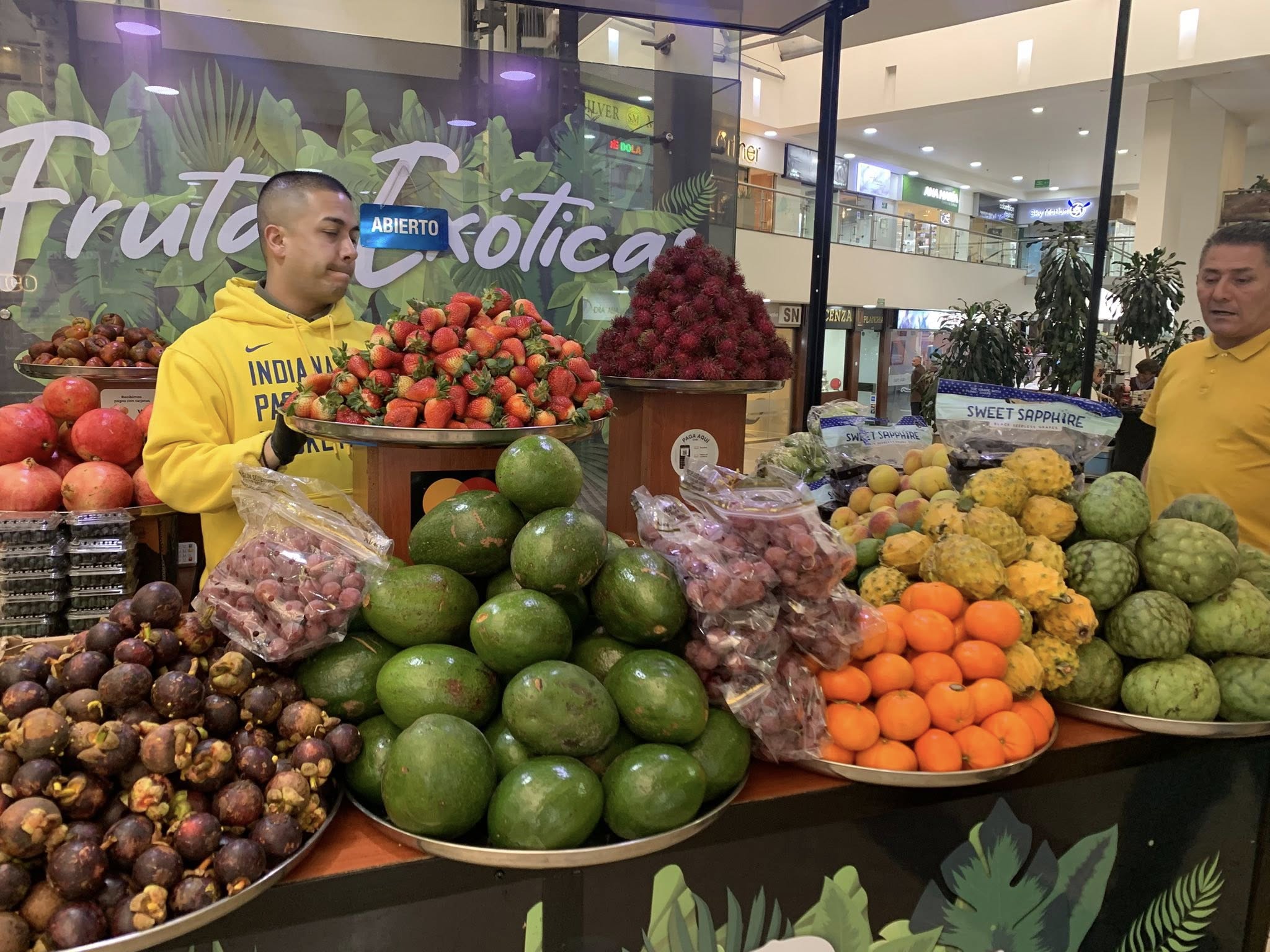
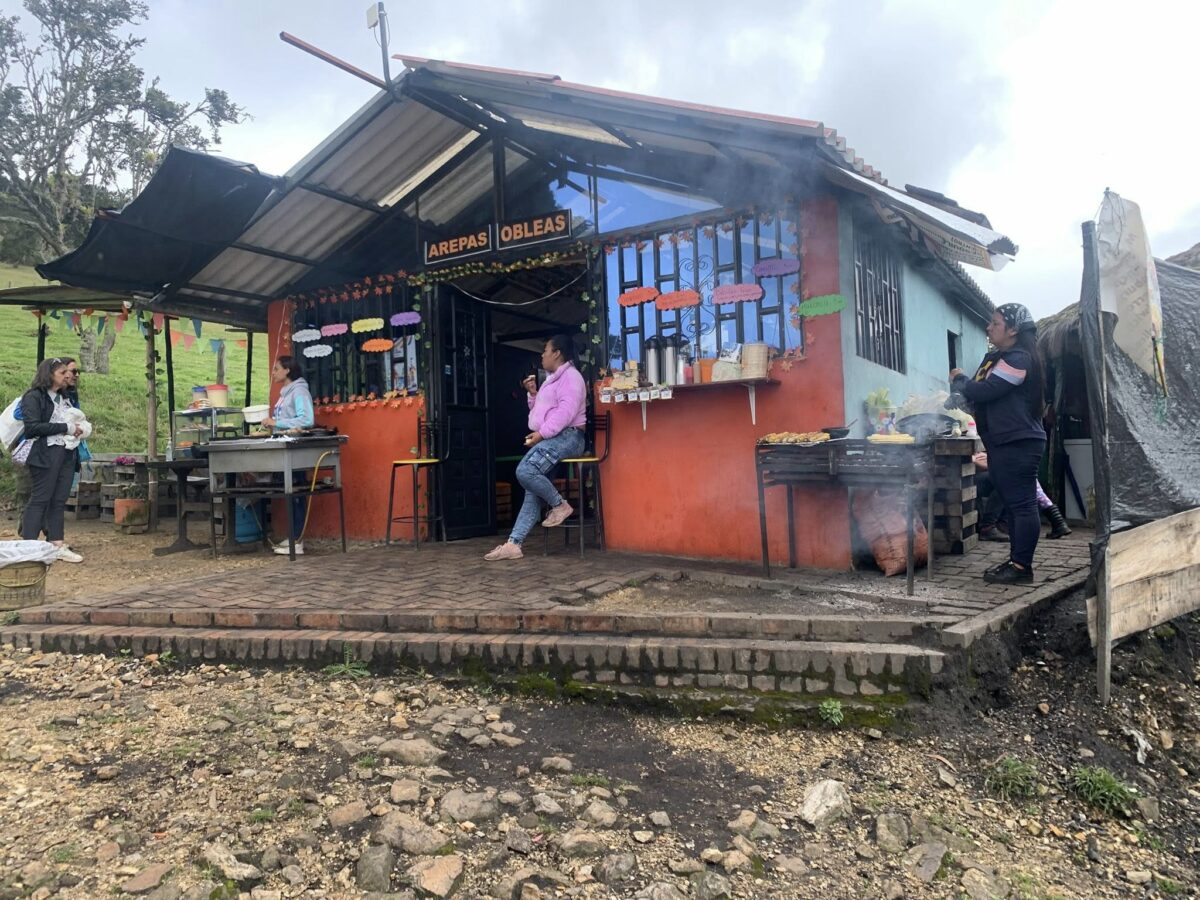
After five wonderful weeks in Colombia — from Bogotá’s misty hills to Medellín’s creative pulse, Cartagena’s sunlit charm, and the quieter surrounding towns — it’s time to move on. This country brims with abundance: gold, emeralds, coffee, flowers, avocados the size of grapefruits, and of course… the infamous echoes of Pablo Escobar’s past. In between all that, I found my favorite fruit again — rambutan — and fell in love with those giant creamy avocados! Rain was my constant companion in Bogotá, but somehow it added to the magic.
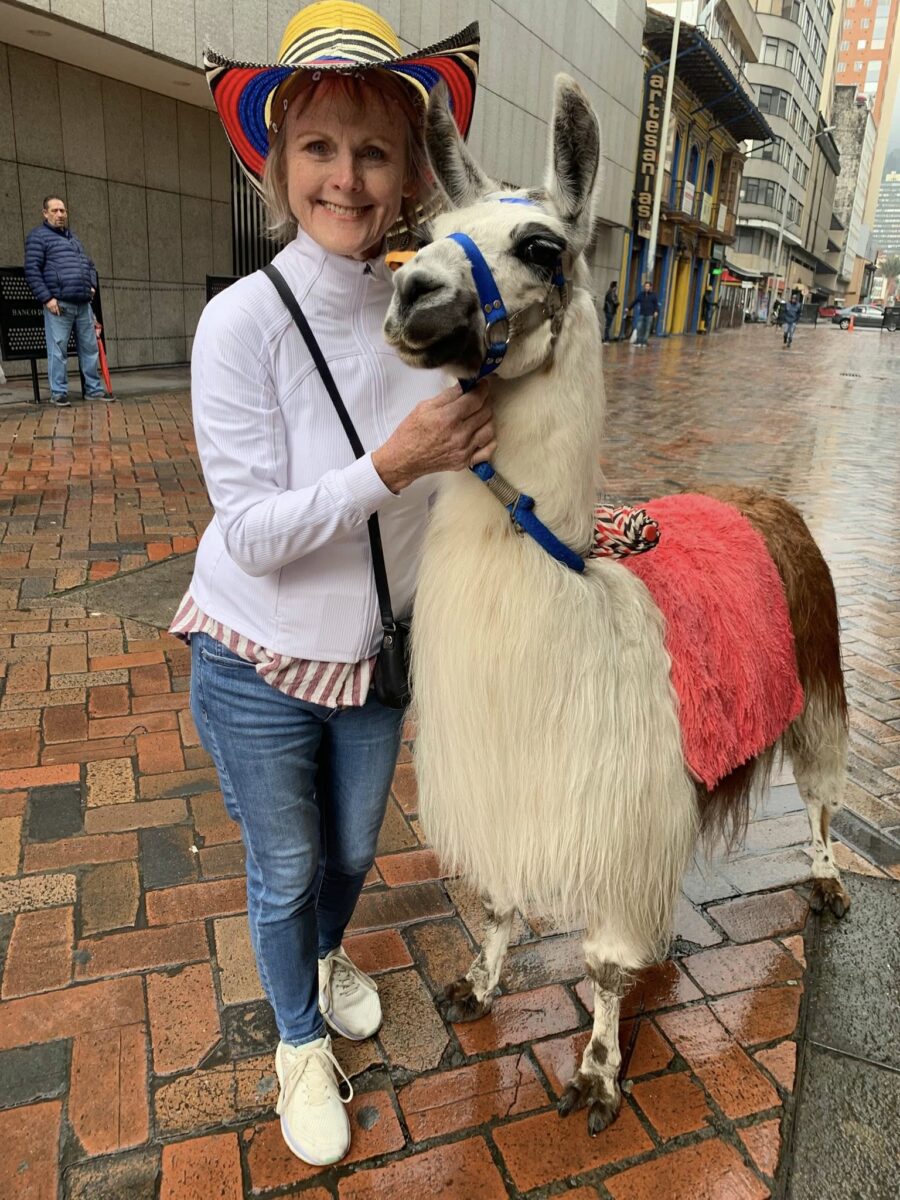
One of my sweetest encounters was with a guanaco — a gentle, doe-eyed creature native to South America and a cousin of the llama. With its soft tan coat and curious gaze, the guanaco is known for its calm nature and resilience in the rugged landscapes of the Andes. This one posed patiently for photos, asking for nothing more than a quarter bucket of raw carrots as payment for its modeling time.
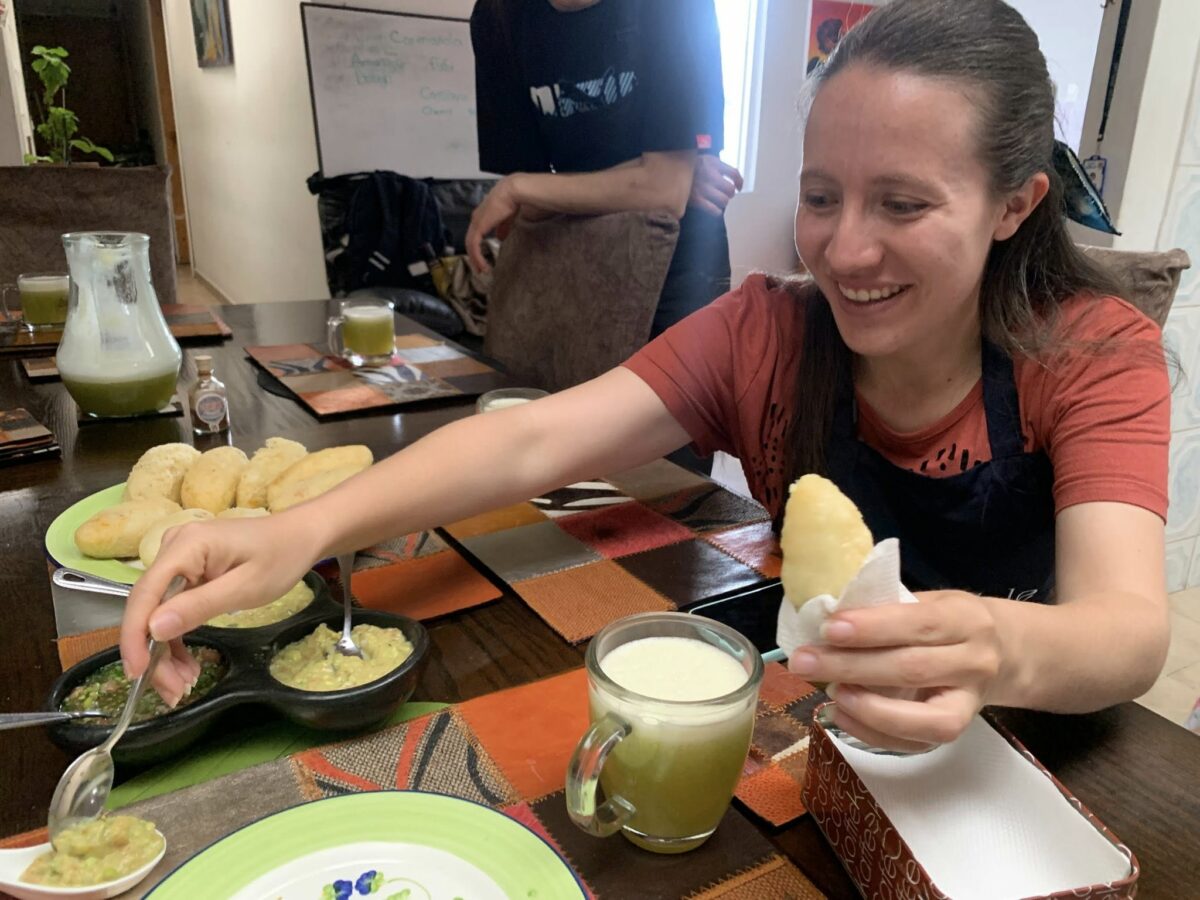
A culinary highlight came in the form of carimañolas — delicious, golden, fried treats made from fresh yucca dough stuffed with flavorful fillings. Under the guidance of an expert home cook, I learned how to shape and fry them, then top them with guacamole and salsa. Ours were vegetarian, filled with tofu, mushrooms, and vegetables — hours of teamwork that ended in laughter and some of the best food I’ve ever tasted.
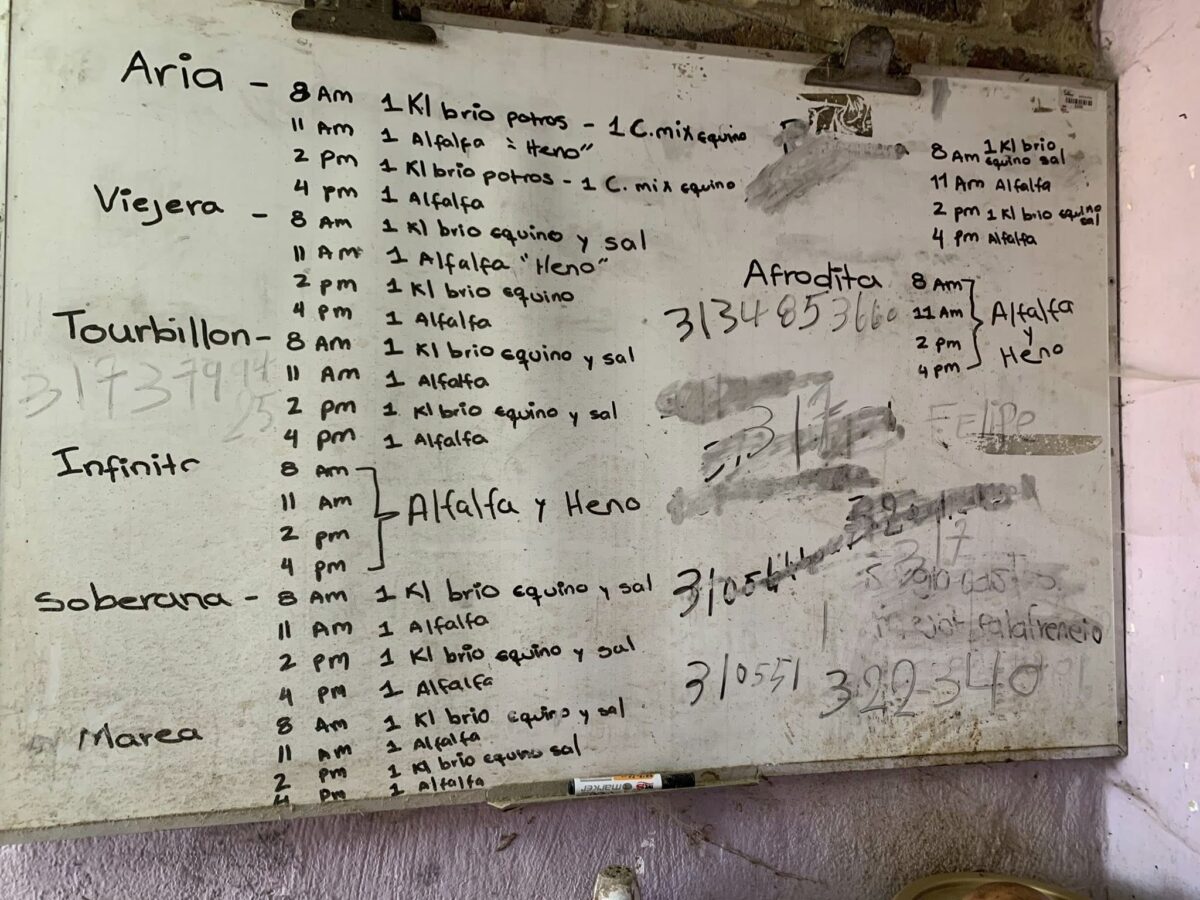
By pure luck, I happened to visit a ranch on the day the horses were being prepared for competition. Watching them train with such grace and discipline was mesmerizing. To my surprise, I was even invited to ride the owner’s personal horse — a champion with multiple awards! The stables had feeding charts more detailed than a restaurant menu, each tailored to the horse’s needs and performance.
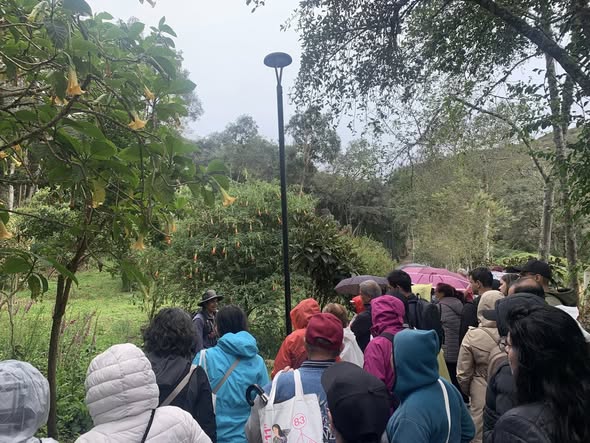
One of the most breathtaking days was the high-altitude trek to Laguna del Cacique Guatavita and Cuchilla de Peña Blanca. The reserve is sacred — no swimming, no fishing, just quiet reverence for the still lagoon surrounded by whispering forest. According to legend, this was where the Muisca people performed ceremonies to honor their gods. A new chief, or Zipa, would be covered in gold dust and offer gold and emeralds to the waters — the origin of the legend of El Dorado, the mythical city of gold.
When Spanish conquistadors heard the tales, they came seeking treasure, draining and looting the lagoon. But folklore says the locals, forewarned, threw their copper artifacts into the lake to protect their sacred place. The gold may never have been found — but the spirit of Guatavita endures, shimmering quietly beneath the surface, untouchable.
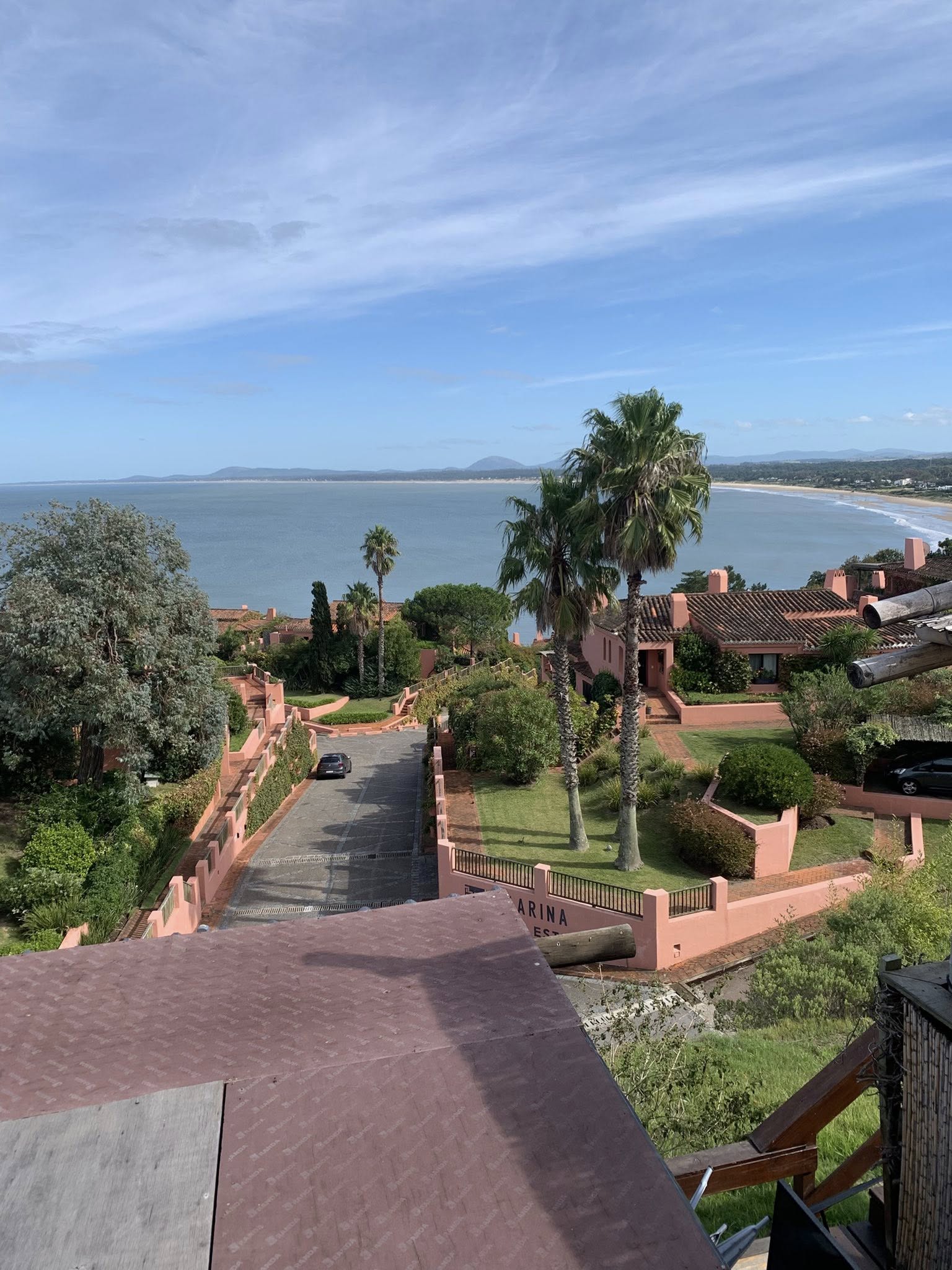
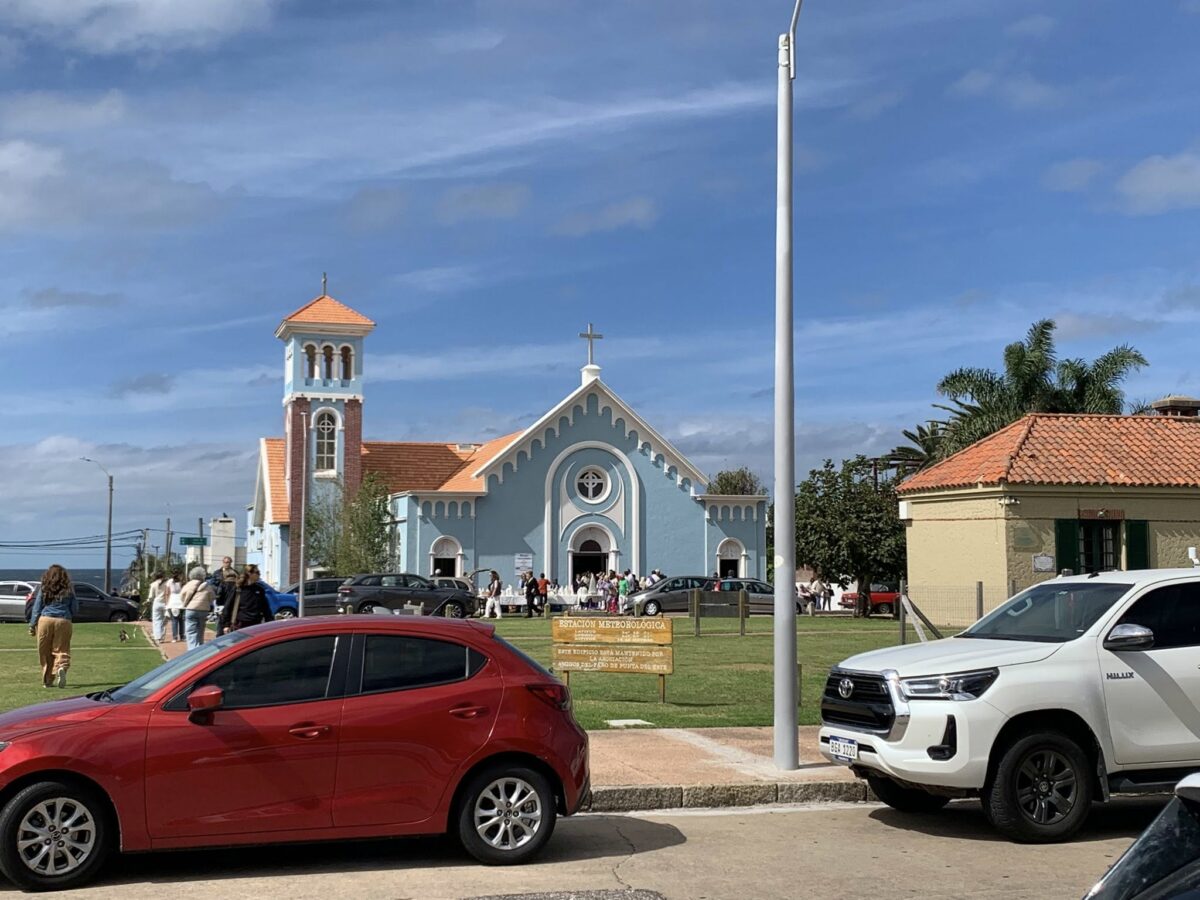
I began my new year’s journey in Uruguay, where the rhythm of life slows with the season’s end. The coastal towns were quiet, the beaches wrapped in rain and high winds — nature’s gentle reminder that travel isn’t always sunshine, but there’s beauty in stillness too. Tomorrow, I’ll be heading onward to explore more of South America, but this peaceful pause has been a lovely beginning.
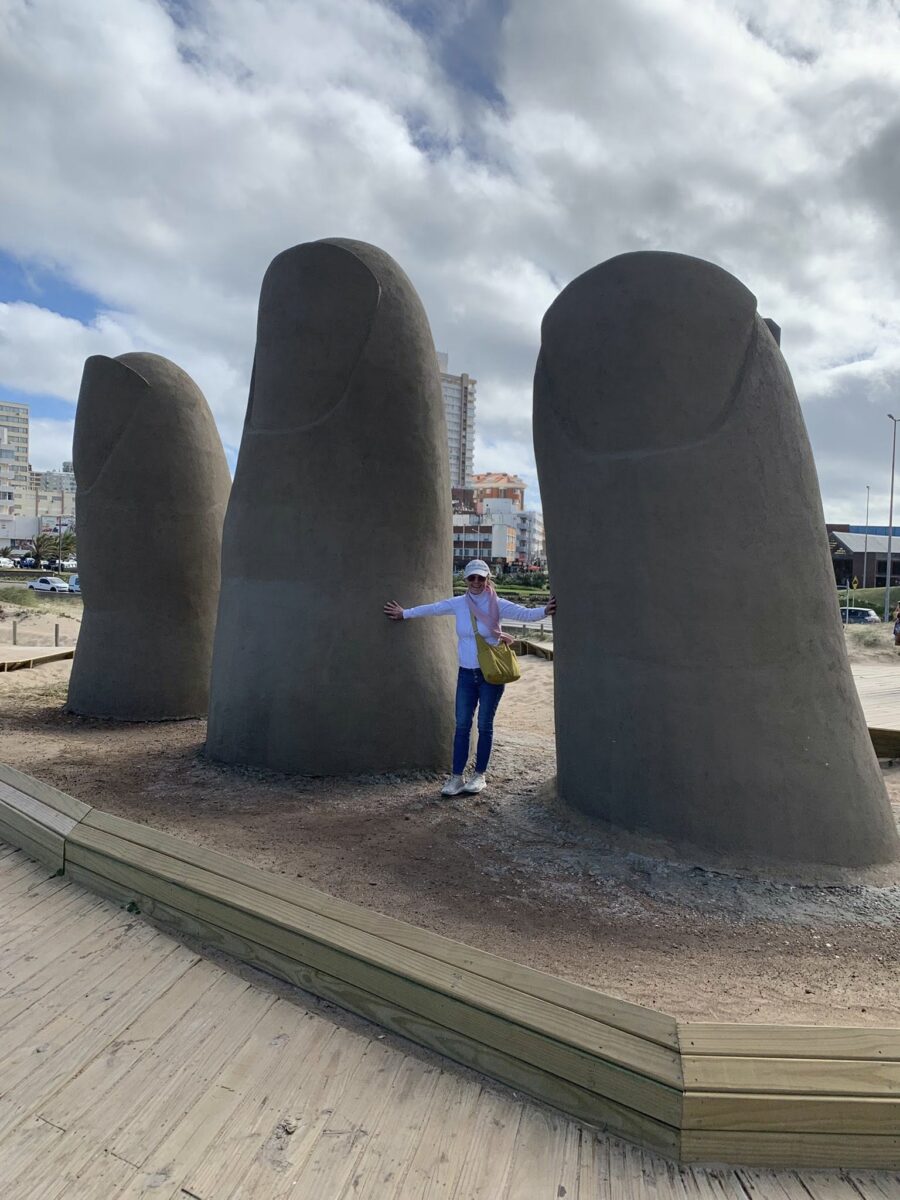
One of Uruguay’s most famous landmarks, La Mano (or The Hand), stands dramatically on Brava Beach — five giant fingers rising from the sand. Sculpted in 1981 by Chilean artist Mario Irarrázabal, it serves as a symbolic warning to swimmers and surfers of the sea’s strength and danger. Locals also call it Emerging to Life — a reminder that from beneath the waves, humanity always finds a way to rise again. The sculpture became so beloved that Irarrázabal recreated it in Madrid, Venice, and Chile.
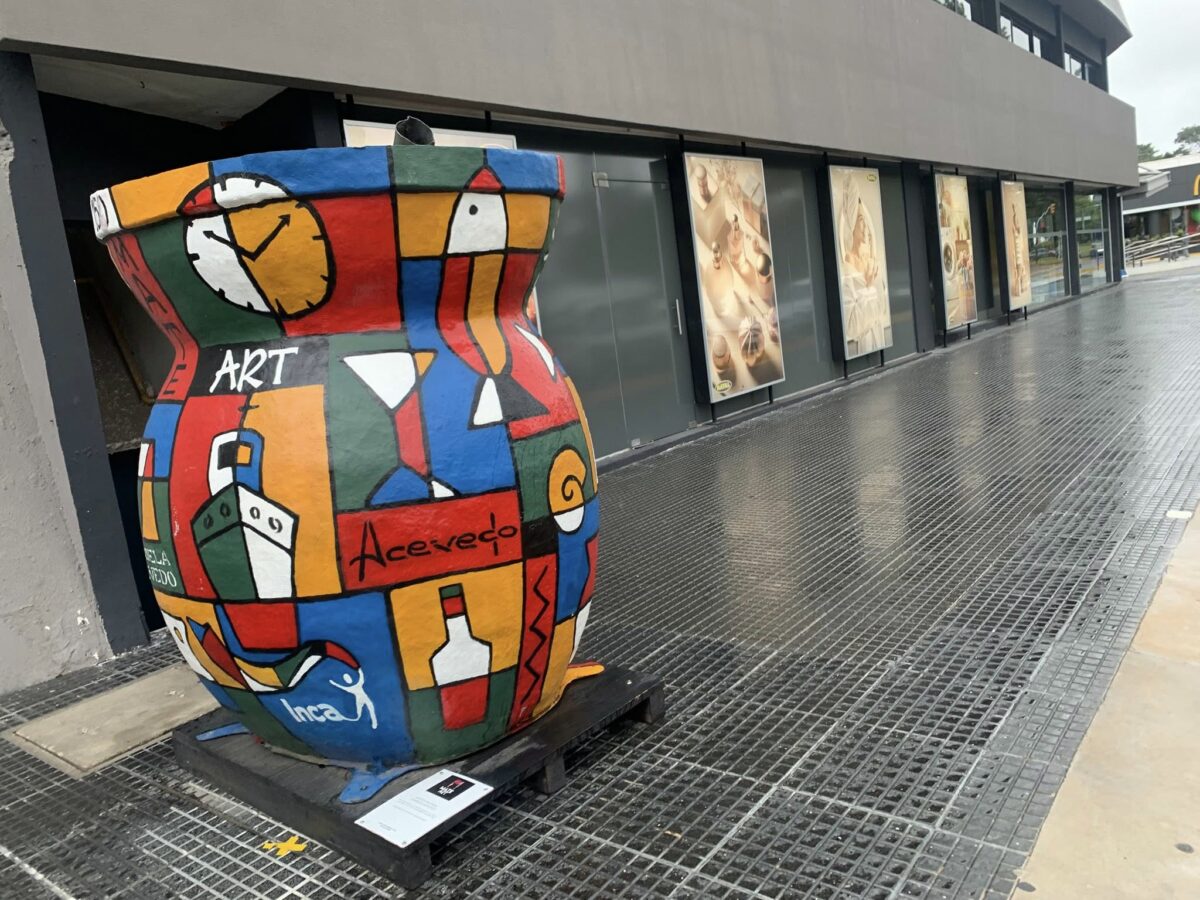
Uruguayans have a sweet spot for chocolate, pastries, and mate, their traditional herbal tea. The sounds of tango, techno, and freestyle beats drift from cafés and small clubs — though I didn’t join in this time, the music made for a perfect soundtrack to quiet evenings.
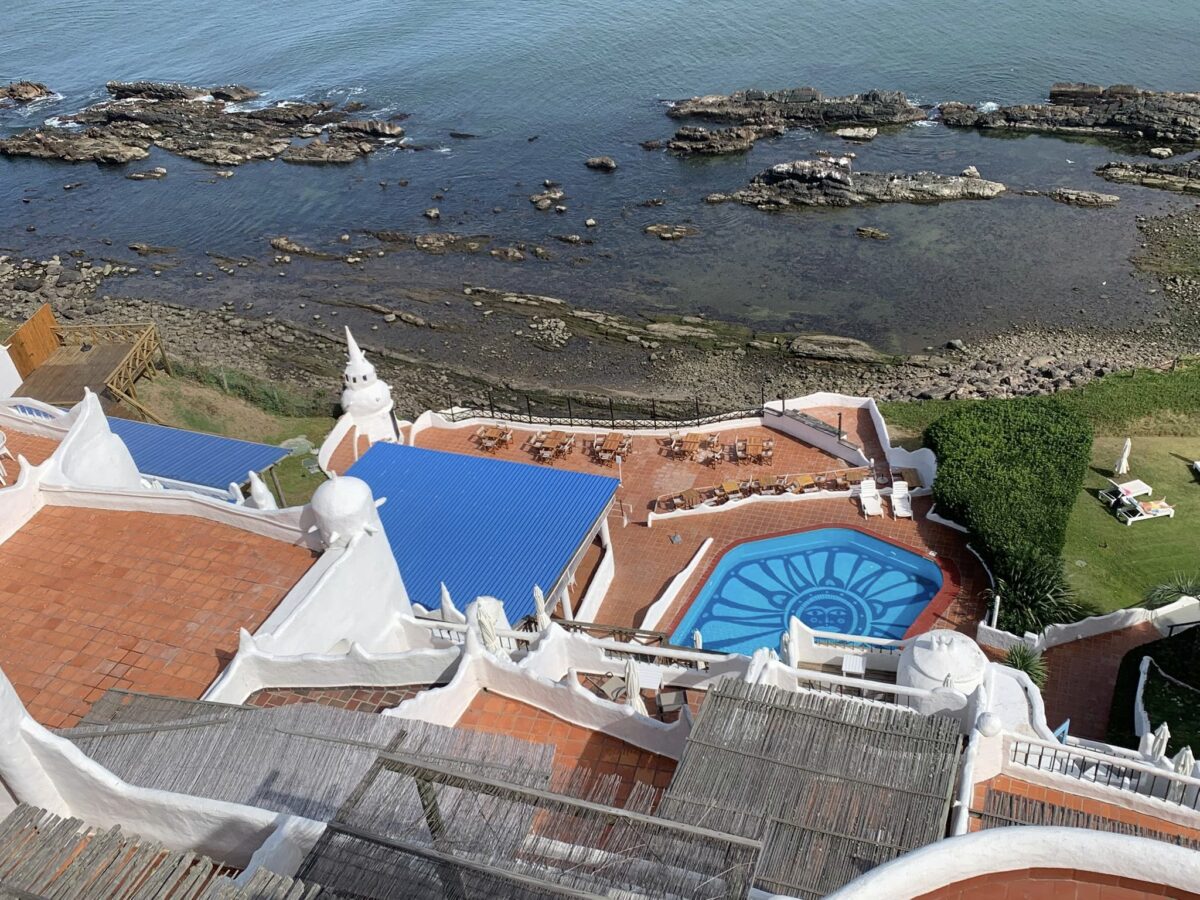
A highlight of the trip was visiting Casapueblo, the extraordinary cliffside home of renowned Uruguayan artist Carlos Páez Vilaró. Built by hand, it’s a living sculpture in itself — all white with blue accents, flowing curves, mermaid motifs, and towers that catch the sunlight. The place feels like a blend of Santorini’s serenity and Cappadocia’s dreamlike charm. Once a home and studio, it now stands as a museum overlooking Punta Ballena, offering sweeping views of the sea and a sense of calm that lingers long after you leave.
Uruguay may be small and often overlooked, but its soul — found in art, music, and the quiet warmth of its people — leaves a lasting impression.
Mongolia — endless blue skies, sweeping grasslands, and the kind of silence that feels sacred. I came here for the Eagle Festival, but the journey itself became part of the adventure: a missed flight, a 28-hour shared shuttle across rugged roads to reach Ulgii, and the humbling reminder that the best stories often come unplanned.
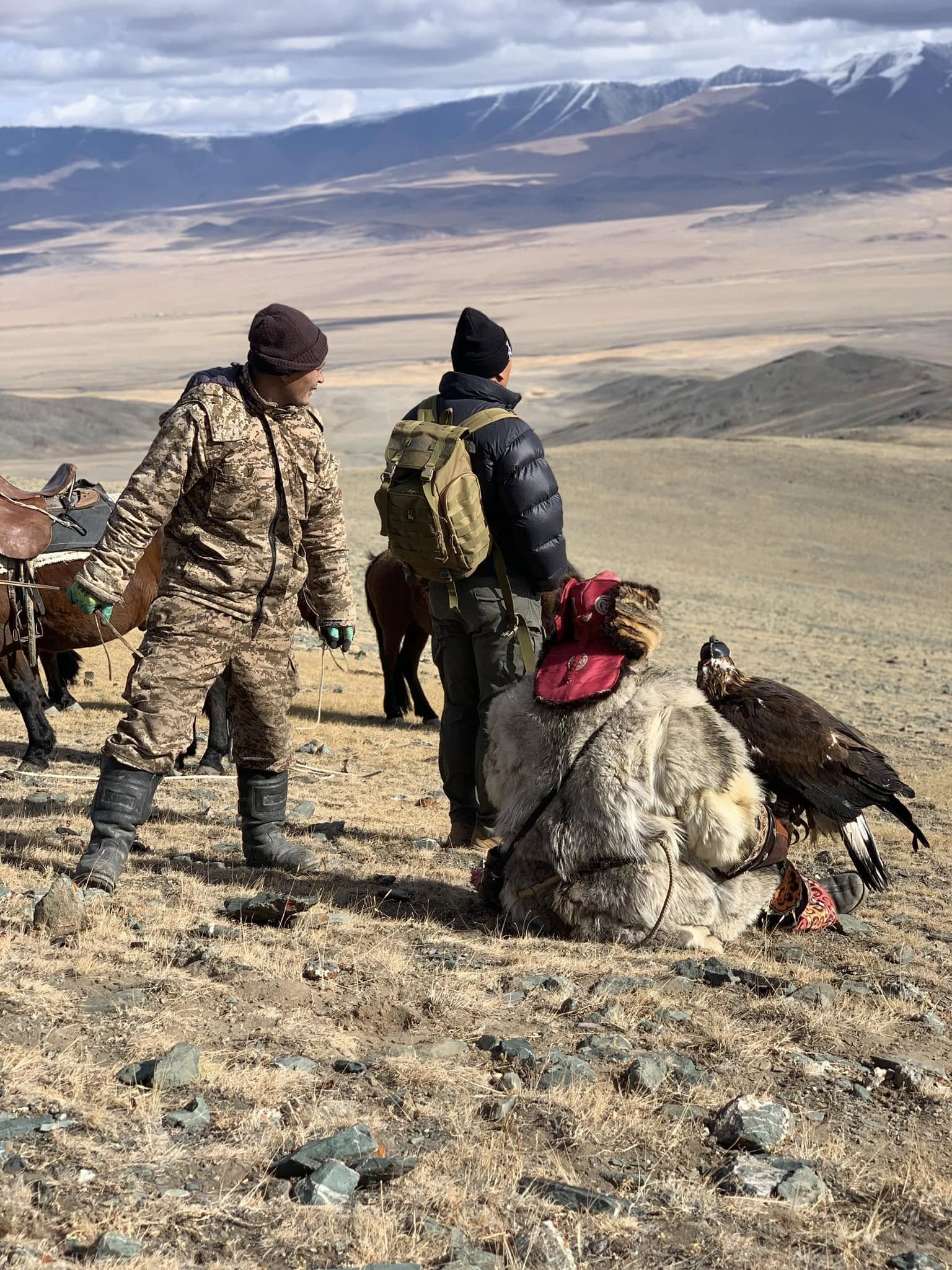
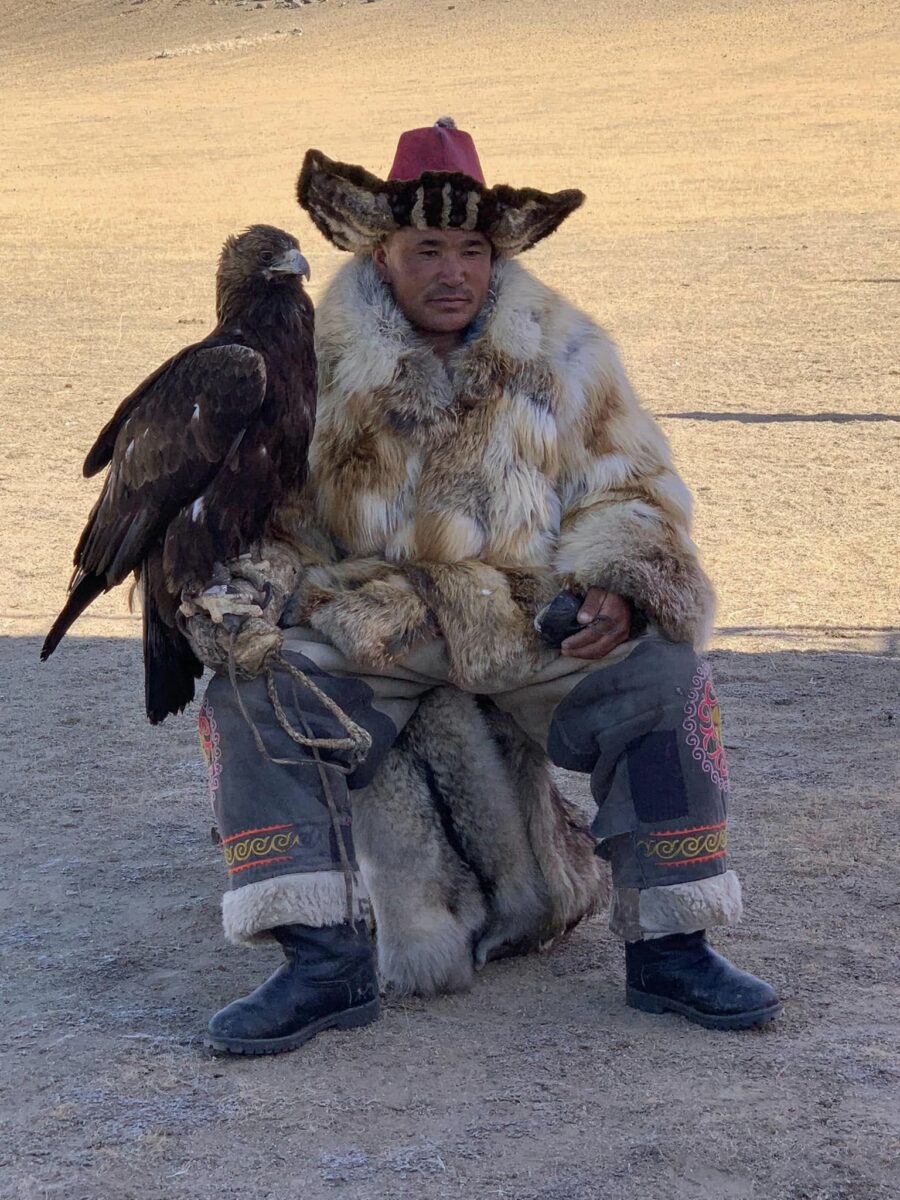
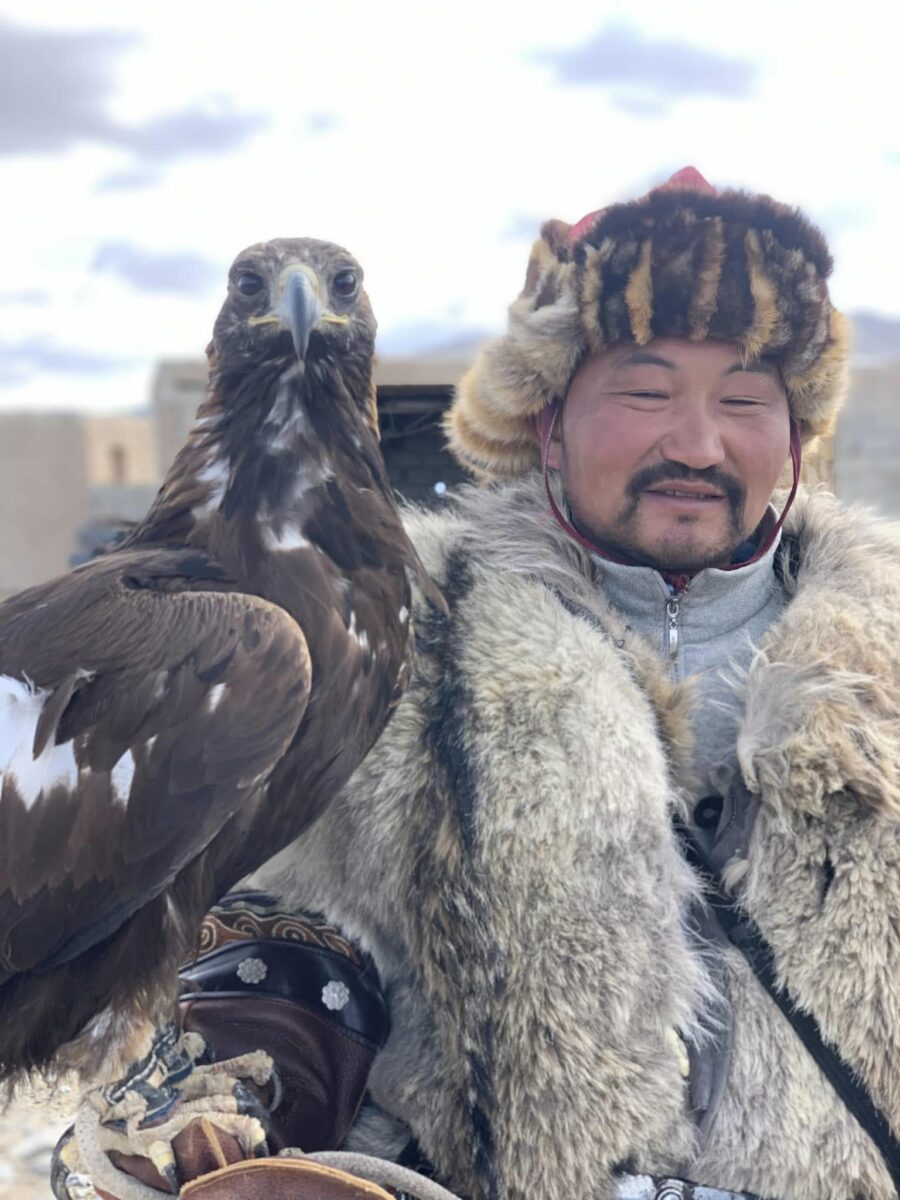
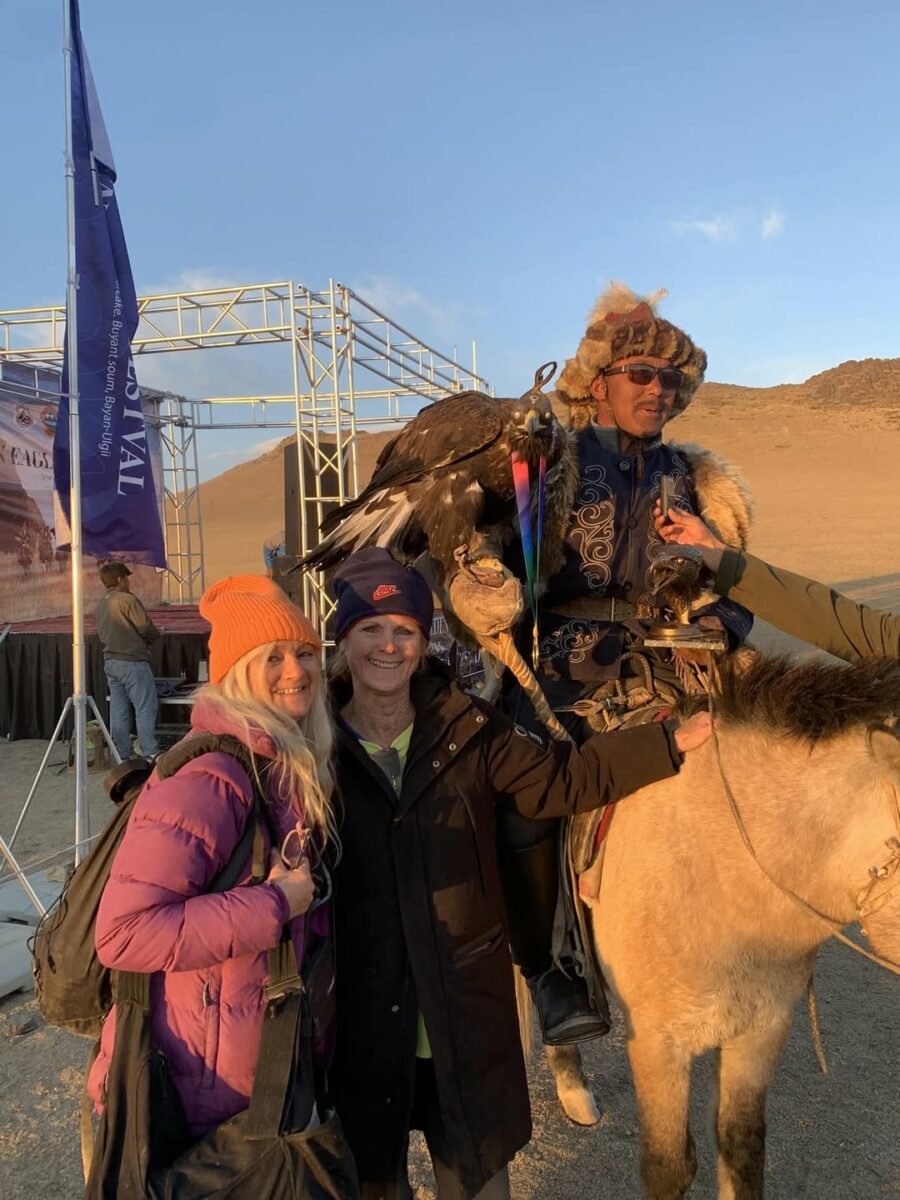
Before the festival, I had the chance to ride through the steppe on horseback and join a local family for a traditional fox hunt. My guide and new friend was an eagle hunter by profession and a musician by heart — between hunts, he’d play and sing with a voice that carried across the plains. At one point, the hunters spotted movement in the distance. The eagles were alert, but the girls in our group weren’t quite in the mood to chase!
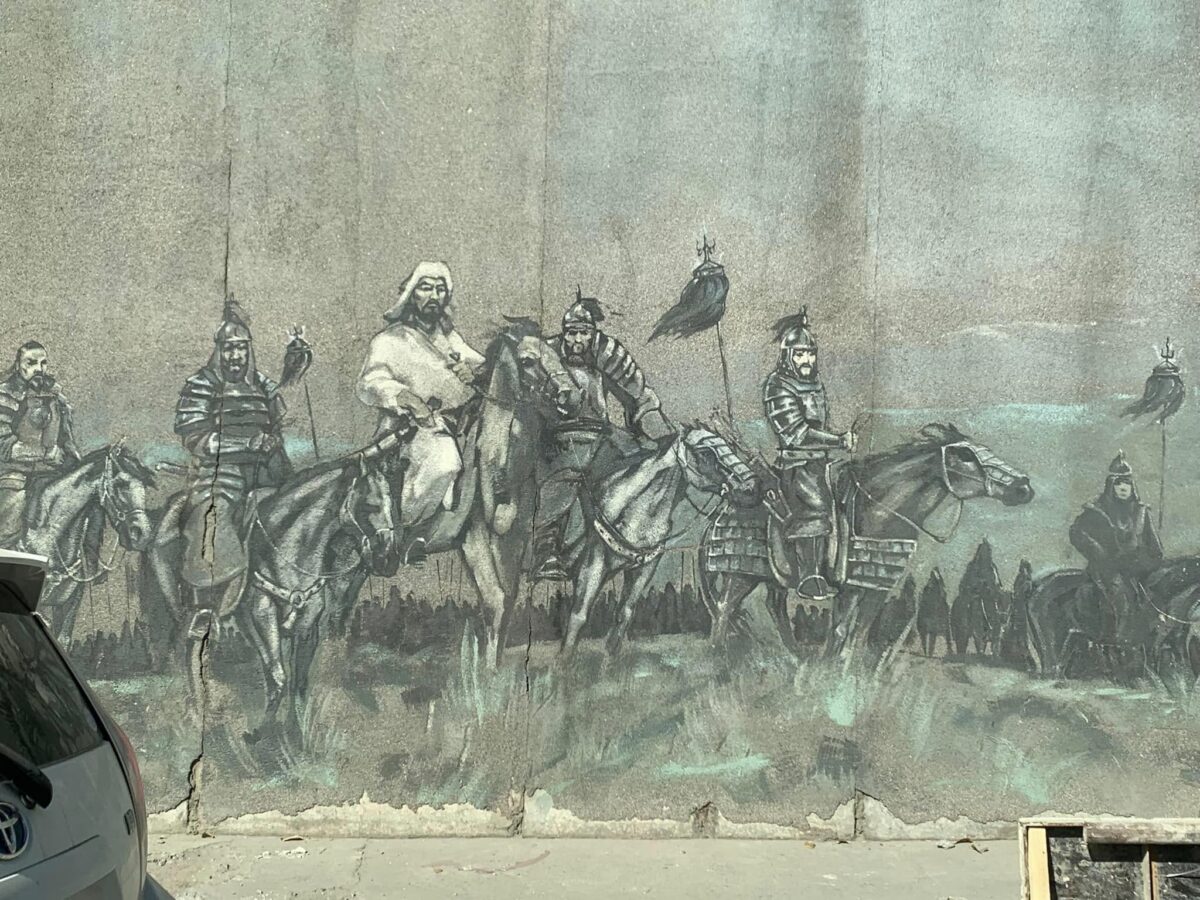
In Mongolia, foxes are hunted only by eagle hunters — their meat is reserved for the eagles, while the pelts are used to make hats and jackets. Wolves, on the other hand, are fair game for locals, valued for their thick, warm fur. Along the dusty highway, sculptures of Chinggis Khan in gleaming white stand tall, guardians of a proud and enduring heritage.
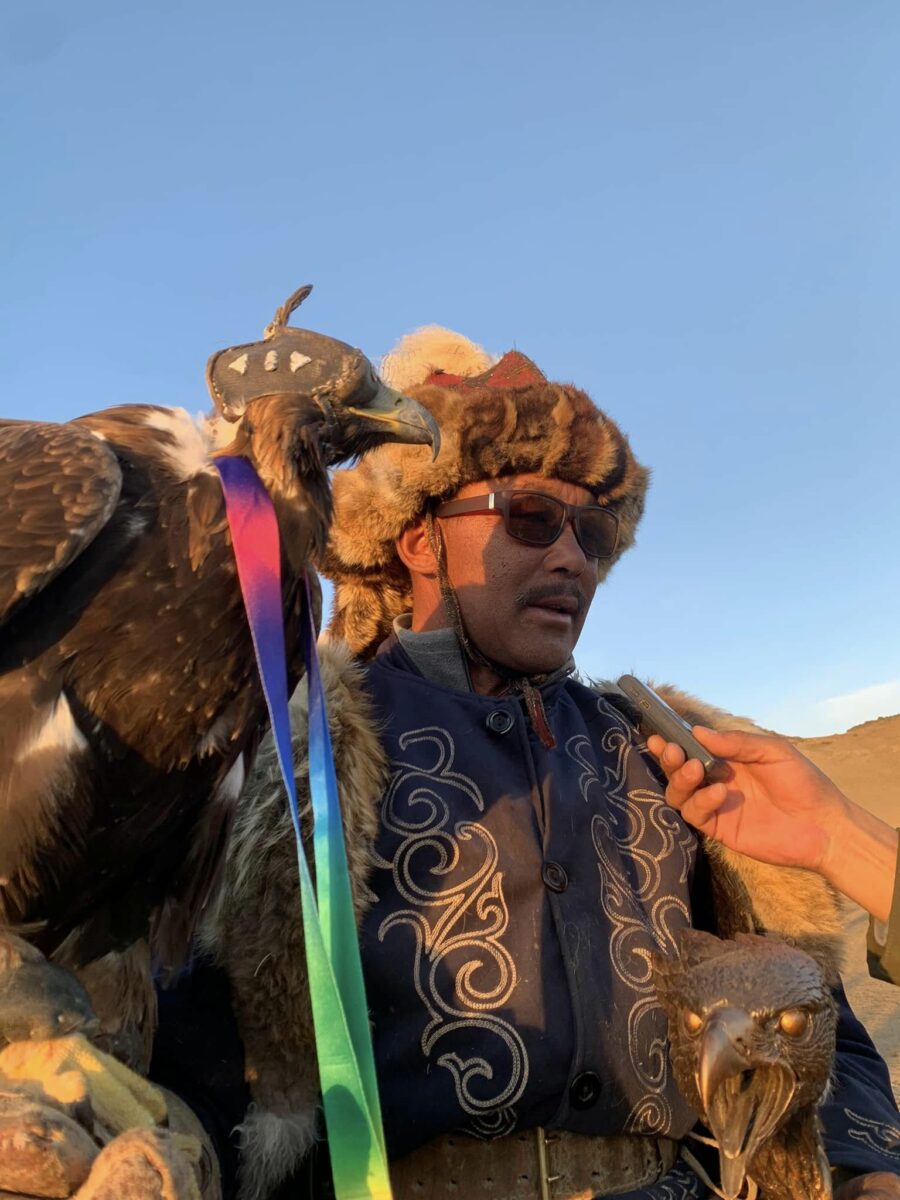
At the Eagle Festival, I witnessed skill, strength, and artistry on full display. The winners were celebrated with a bronze eagle-head trophy, a gold medal, two special prizes, and 3 million tugrik in cash — not to mention well-earned fame. Among them was the youngest eagle hunter, just 11 years old, whose confidence on horseback rivaled the adults.
One of the most exciting events was a tug-of-war on horseback, using a headless 66-pound sheep. Each rider begins with two hands pulling; if one loses grip, the contest continues with just one. The rule is simple — stay mounted, no grabbing the saddle, no giving up. Referees in full traditional attire stand close by, barely a few feet from the action, ready to call the winner.
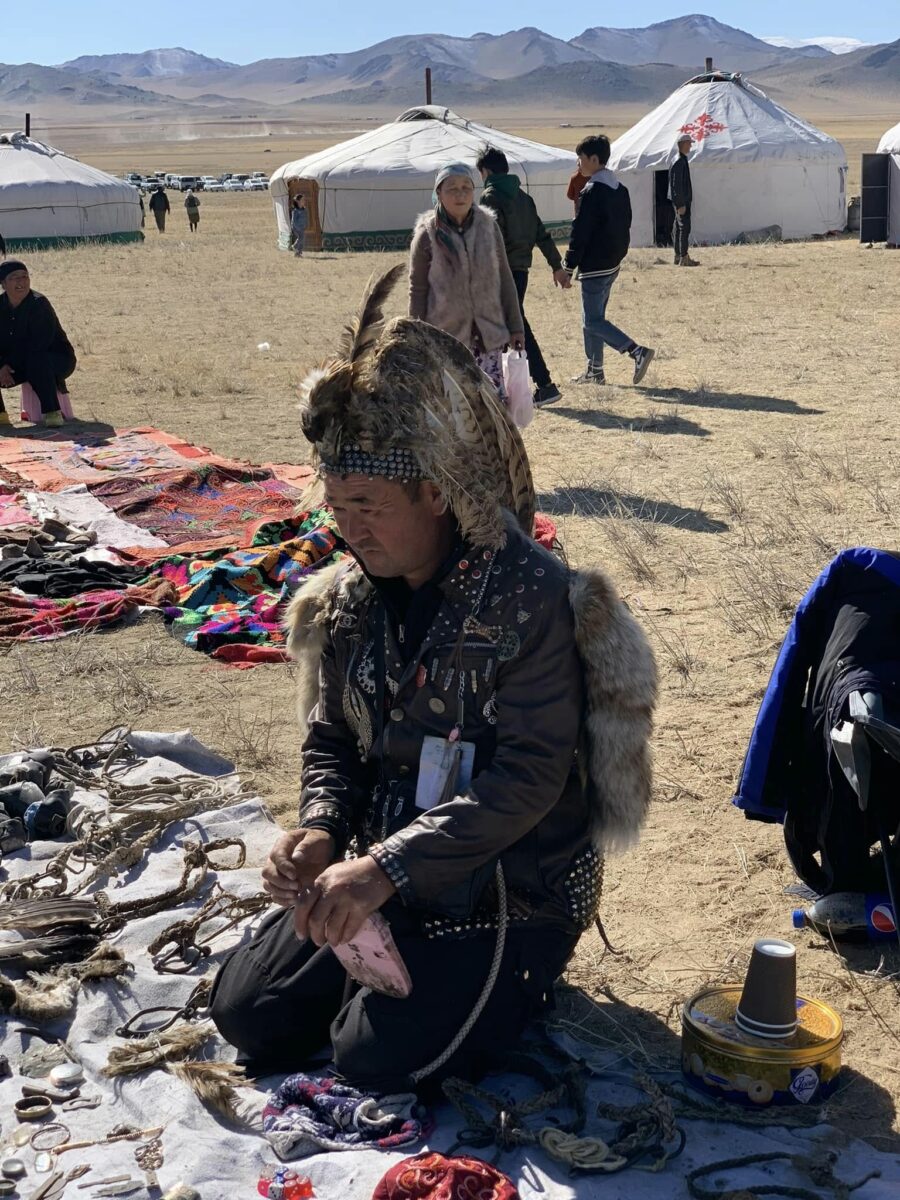
Around the festival grounds, merchants sold everything from carved trinkets to wolf teeth and sacred falcon talons — powerful symbols in local culture, said to carry protection and strength. One Kazakh man, his headdress adorned with two great wings, proudly shared the stories behind each item.
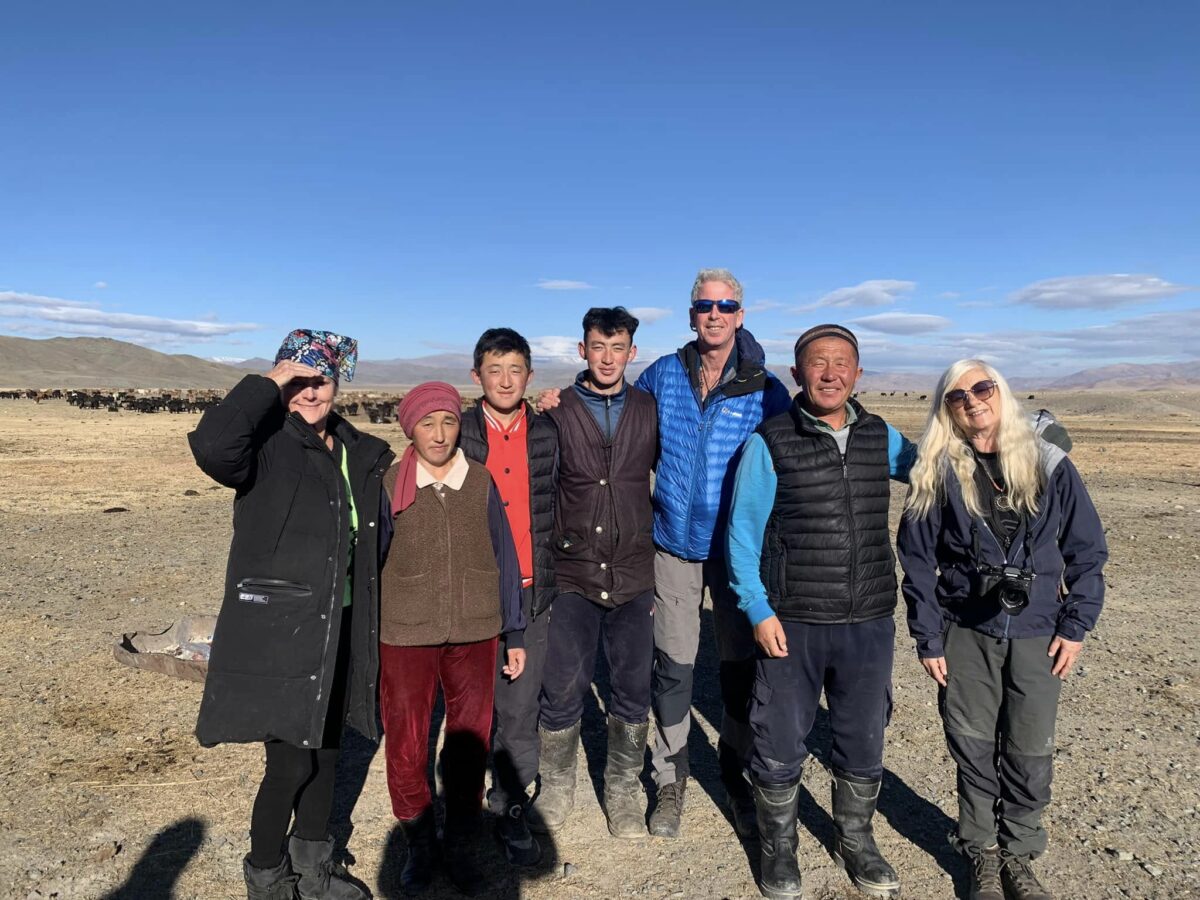
Between events, I met many of the participants — men and boys who, for a few days, become stars of their own open-air stage. They pose eagerly for photos, proud of their craft, their culture, and the wild beauty of their land. On the way to Ulgii, we even passed a few camels, calmly crossing the plains as if time didn’t exist here at all.
Back in Ulaanbaatar, I discovered a local custom that perfectly captures Mongolia’s spirit of community — if you need a ride, just raise your arm. Within minutes, someone will stop, offer you a lift, and for a small fee (or just conversation), you’ll find yourself not just getting somewhere, but sharing stories along the way.
Mongolia has a way of reminding you that connection — between people, animals, and land — is what truly keeps the world moving.
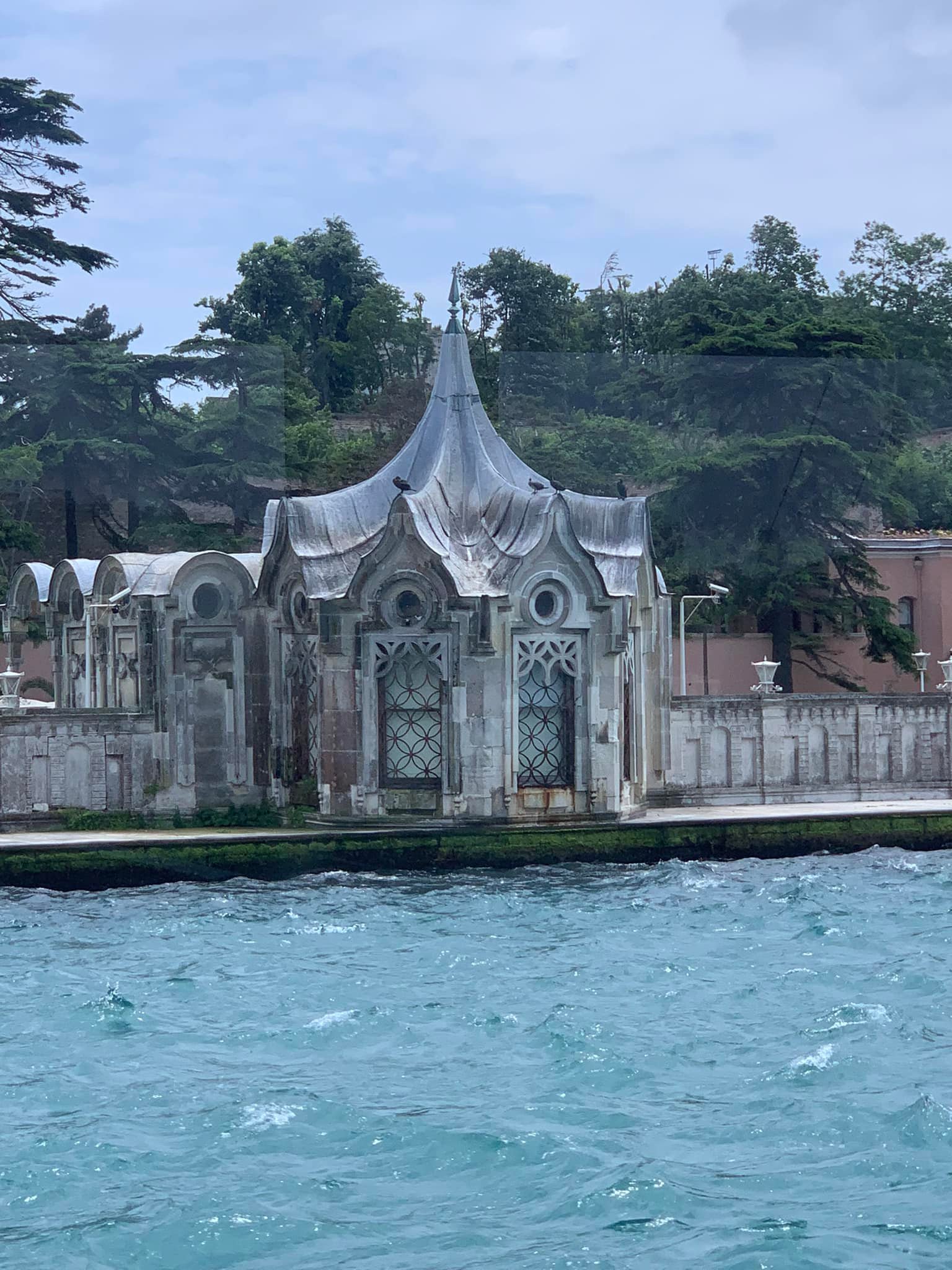
Cruising along the Bosphorus River, I watched as Istanbul unfolded before me — a city straddling two continents, where minarets pierce the skyline and grand mansion homes grace the Asian shore. The breeze carried whispers of empires past, and the ancient remains of the Roman occupation seemed to remind every traveler that civilizations may fade, but their stories never vanish.
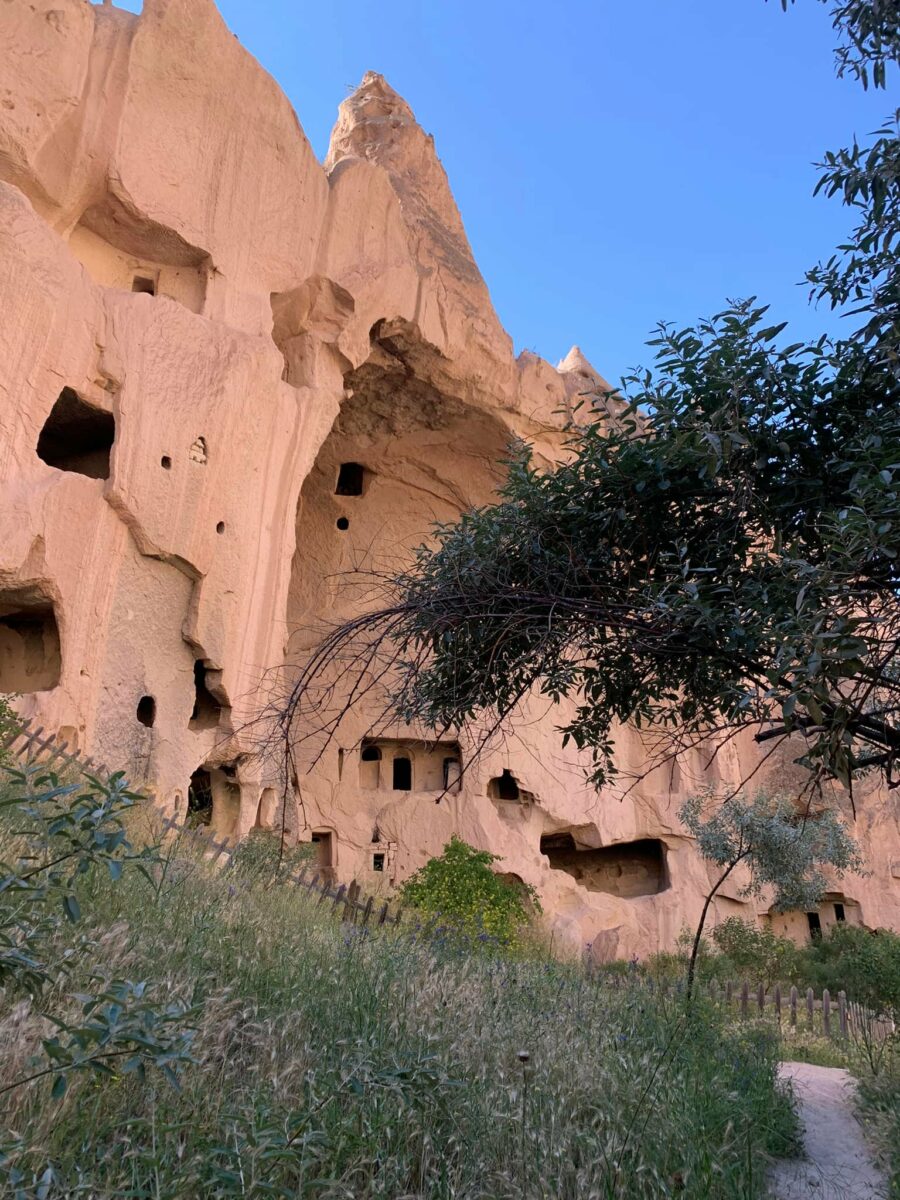
From Istanbul, I ventured inland to the surreal landscapes of Cappadocia, where fairy chimneys rise from the earth like ancient sentinels and cave houses carved into soft volcanic rock still cradle families today. In one village, I found a tree covered in blue Evil Eyes, glittering against the sun — a symbol of protection cherished by every Turk. Nearby, a camel dressed in a richly embroidered robe stood proudly, as if aware of its photogenic charm.
I watched local artisans create traditional Turkish ceramics, each piece shaped, painted, and glazed by hand through careful, time-honored phases. Their patience and artistry felt as much a part of Turkey as the land itself.
Amid all the wonders, I also found delight in the simplest things — the largest, fluffiest dandelions I’d ever seen, their white tufts floating like tiny wishes over the dry valley wind.
Exploring the ancient cave systems, I saw traces of everyday life frozen in time — a stone wheel used for grinding bulgur wheat, and a wine cellar where grapes were once stomped by foot, their juice flowing through a carved drain into larger basins. The cool cave air made it perfect for fermentation before the wine was stored in terra cotta jars deep within the underground city.
Above ground, the land opened up into the otherworldly “mushroom formations” of Göreme, sculpted by nature and time into whimsical silhouettes. And finally, I ended this leg of the journey soaking in the surreal white terraces of Pamukkale, their turquoise mineral pools cascading gently down the mountainside — a natural wonder so serene it felt like bathing in the clouds.
Turkey is a tapestry of contrasts — history and modernity, artistry and nature, devotion and daily life — all woven together with warmth and hospitality. Every step feels like walking through a living museum, every encounter a glimpse into a story still unfolding.