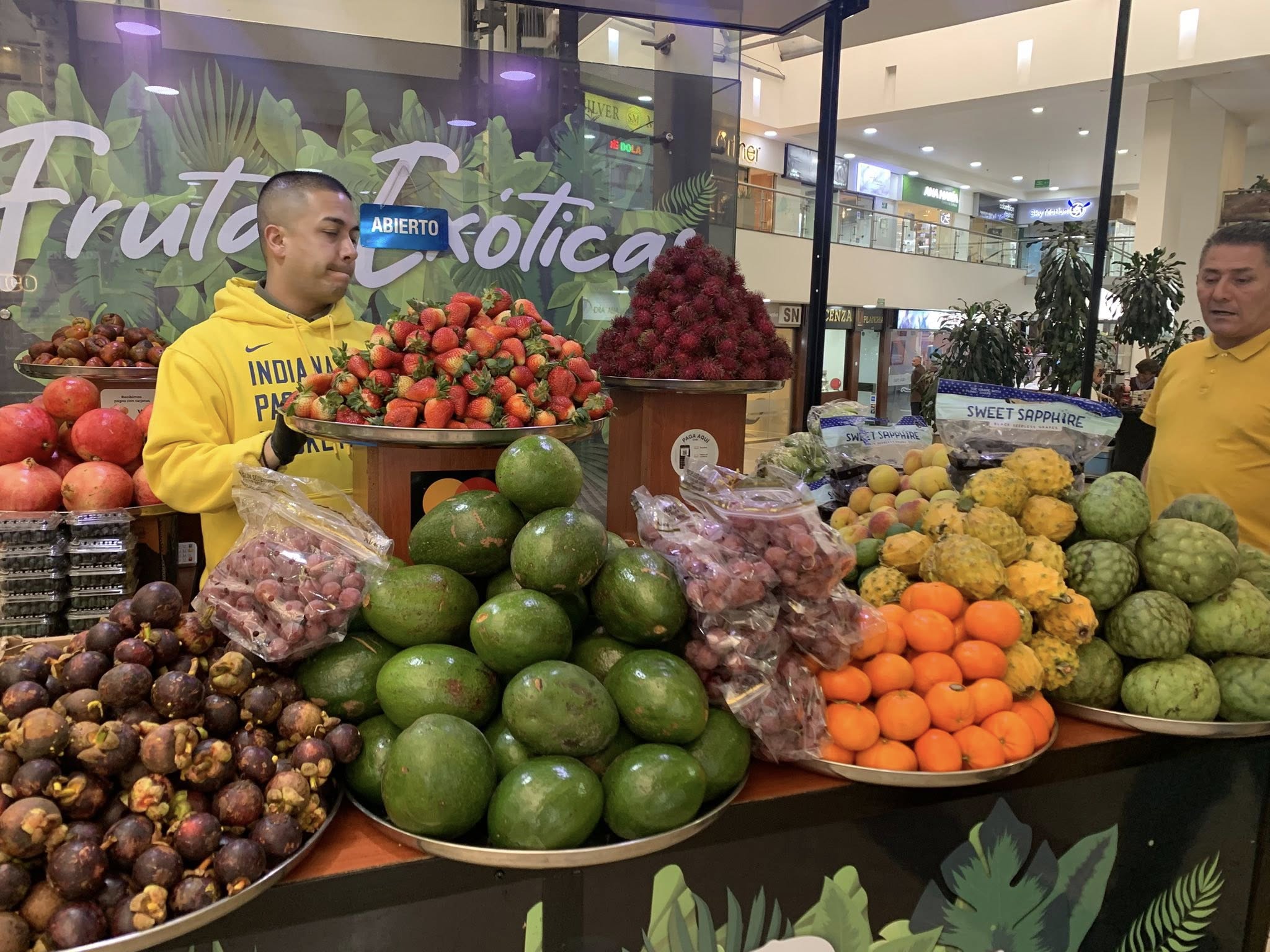
After five wonderful weeks in Colombia — from Bogotá’s misty hills to Medellín’s creative pulse, Cartagena’s sunlit charm, and the quieter surrounding towns — it’s time to move on. This country brims with abundance: gold, emeralds, coffee, flowers, avocados the size of grapefruits, and of course… the infamous echoes of Pablo Escobar’s past. In between all that, I found my favorite fruit again — rambutan — and fell in love with those giant creamy avocados! Rain was my constant companion in Bogotá, but somehow it added to the magic.
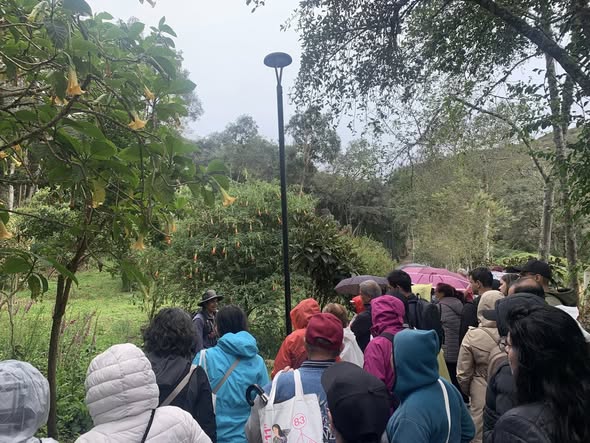
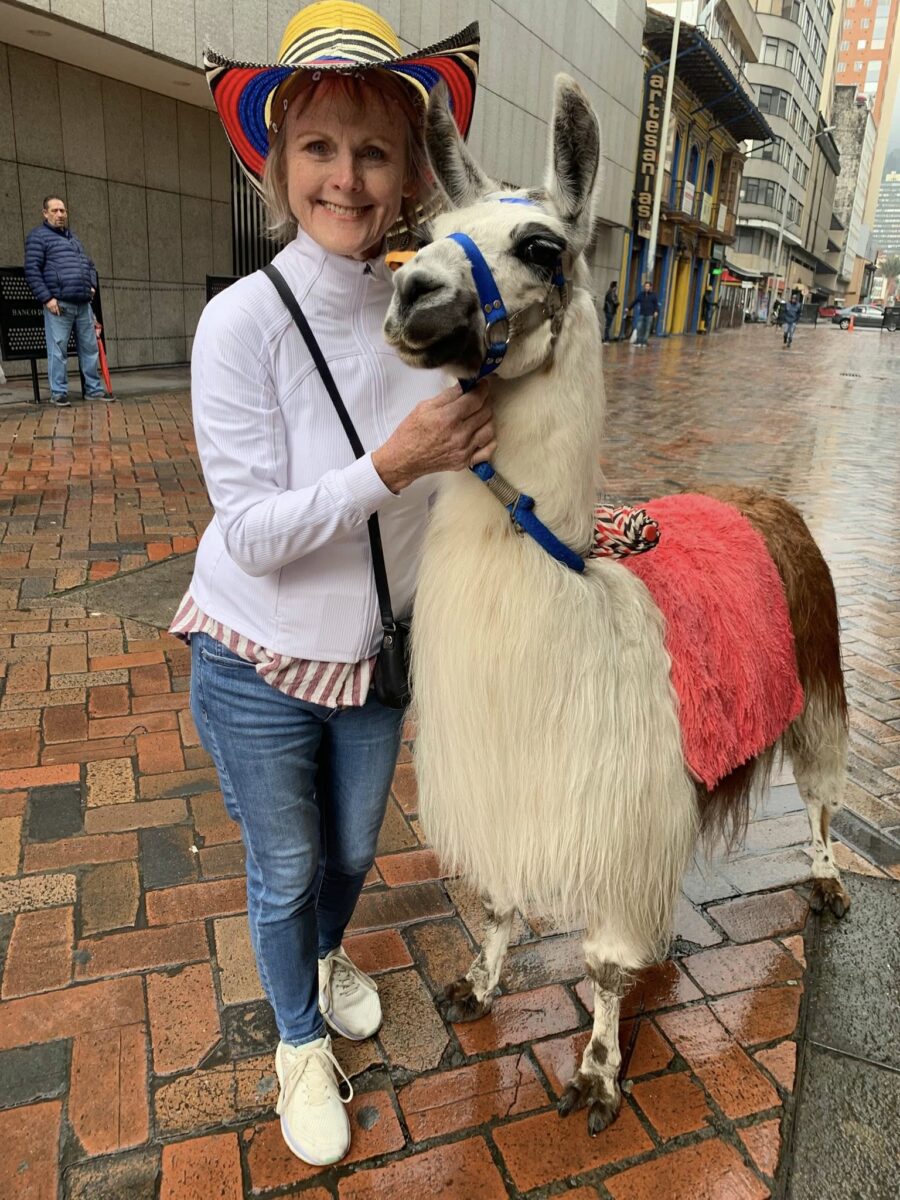
One of my sweetest encounters was with a guanaco — a gentle, doe-eyed creature native to South America and a cousin of the llama. With its soft tan coat and curious gaze, the guanaco is known for its calm nature and resilience in the rugged landscapes of the Andes. This one posed patiently for photos, asking for nothing more than a quarter bucket of raw carrots as payment for its modeling time.
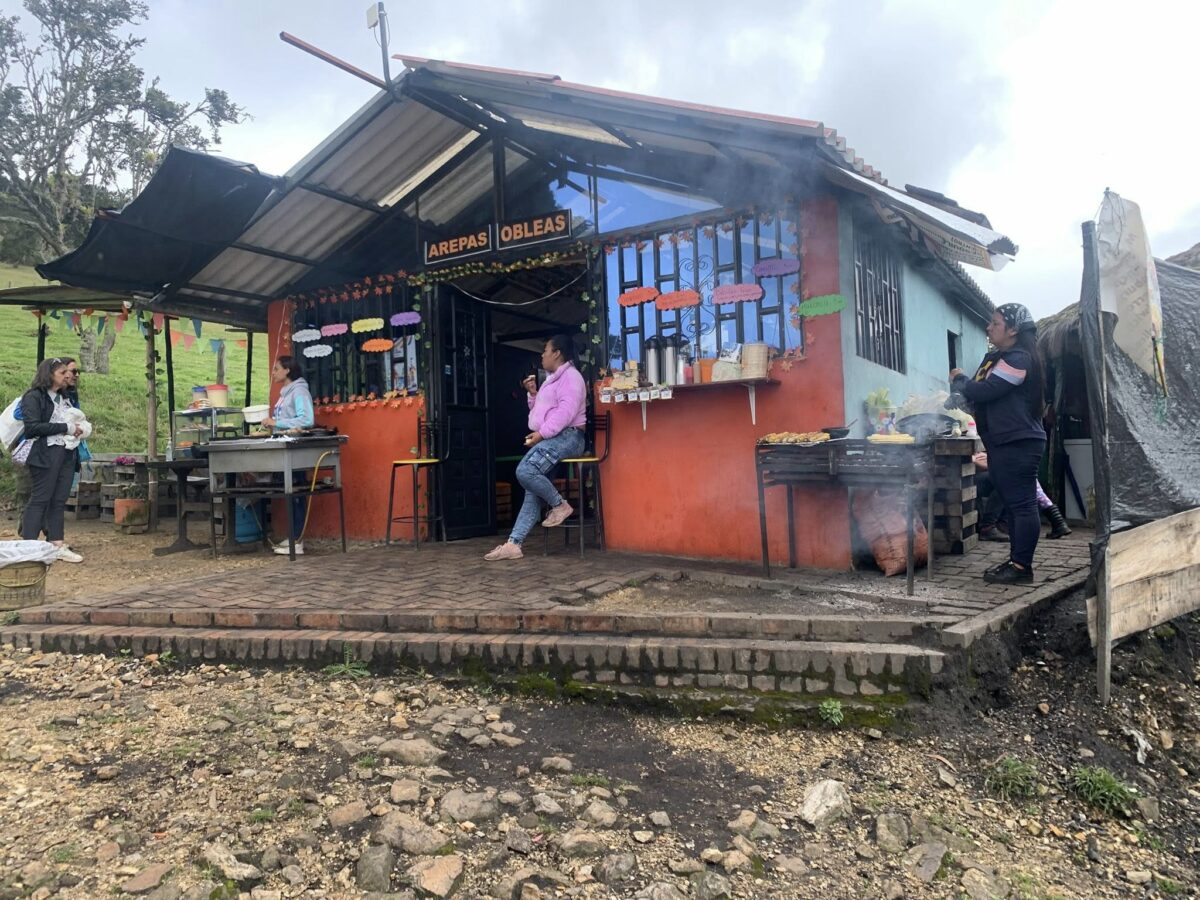
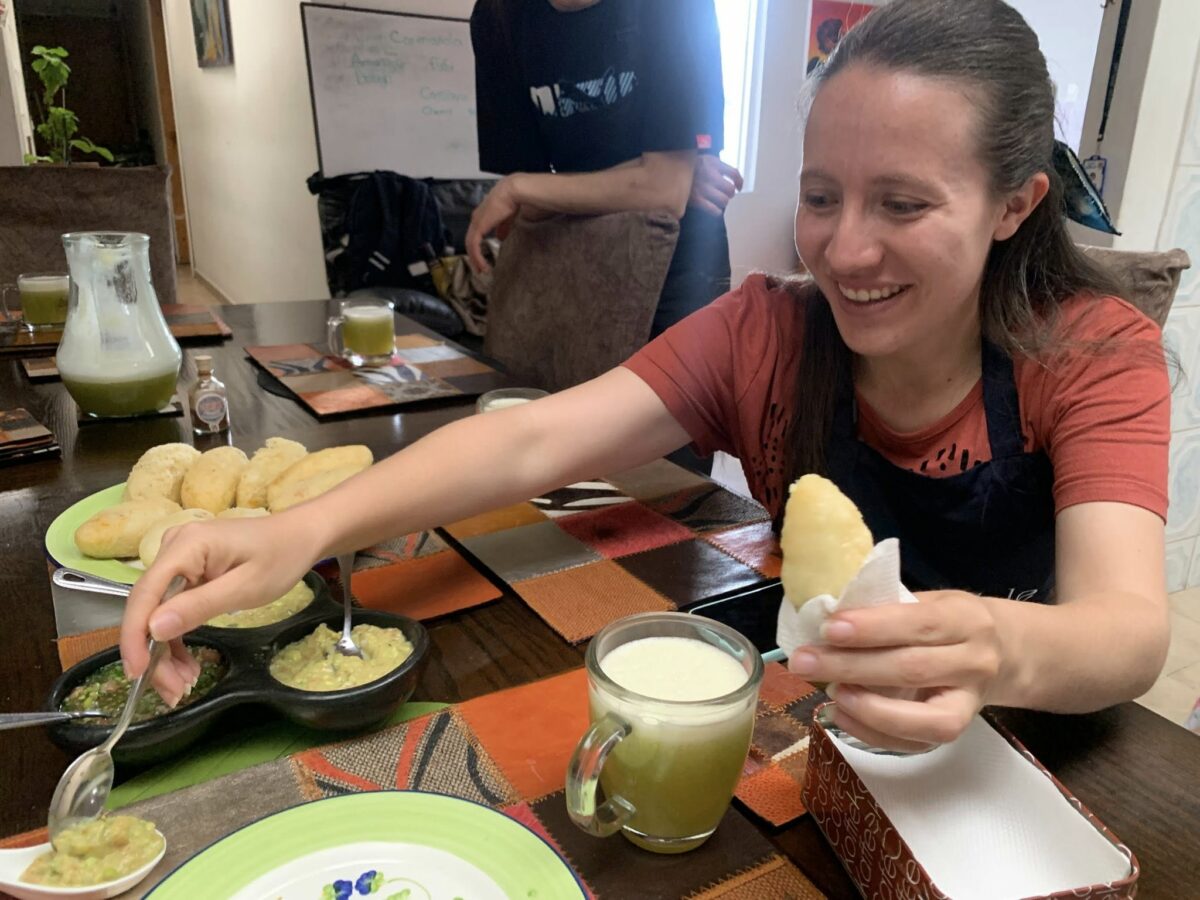
A culinary highlight came in the form of carimañolas — delicious, golden, fried treats made from fresh yucca dough stuffed with flavorful fillings. Under the guidance of an expert home cook, I learned how to shape and fry them, then top them with guacamole and salsa. Ours were vegetarian, filled with tofu, mushrooms, and vegetables — hours of teamwork that ended in laughter and some of the best food I’ve ever tasted.
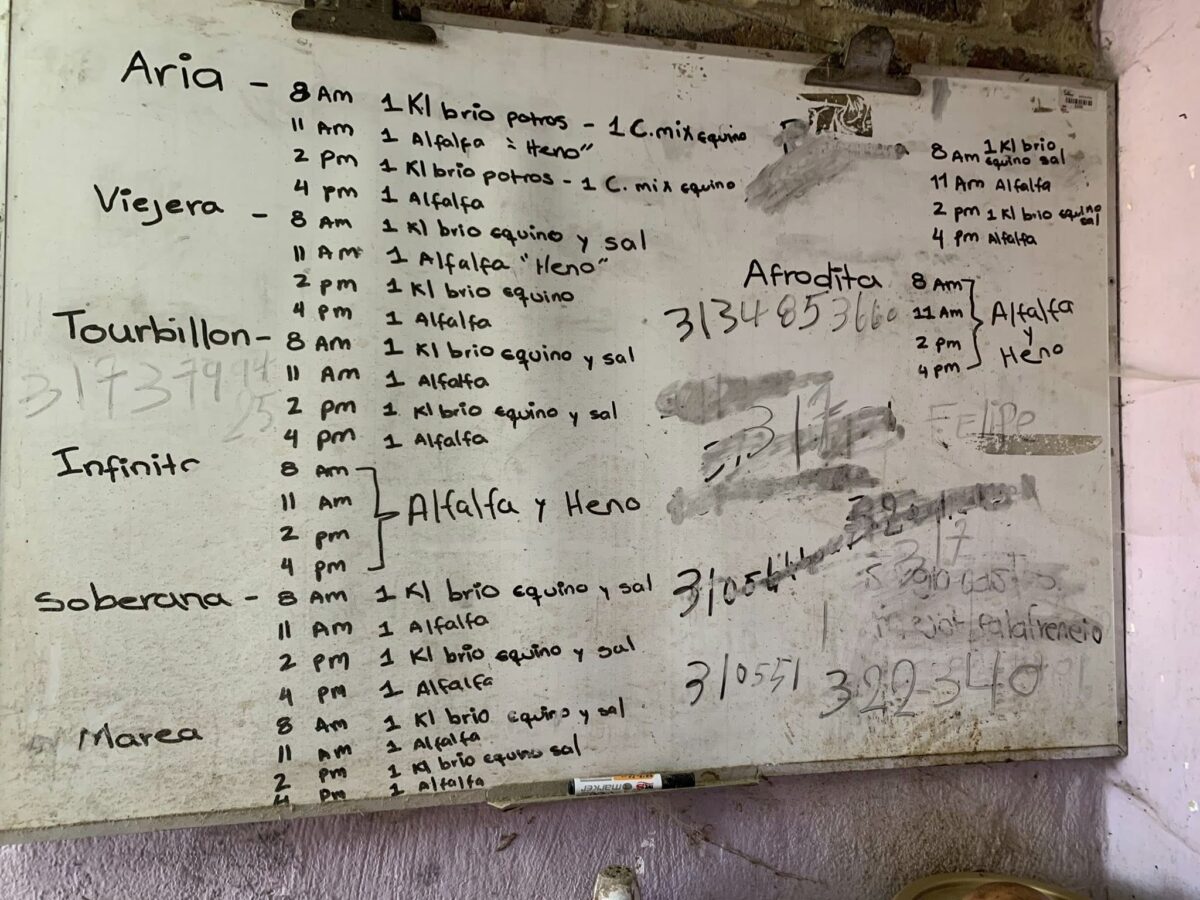
By pure luck, I happened to visit a ranch on the day the horses were being prepared for competition. Watching them train with such grace and discipline was mesmerizing. To my surprise, I was even invited to ride the owner’s personal horse — a champion with multiple awards! The stables had feeding charts more detailed than a restaurant menu, each tailored to the horse’s needs and performance.
One of the most breathtaking days was the high-altitude trek to Laguna del Cacique Guatavita and Cuchilla de Peña Blanca. The reserve is sacred — no swimming, no fishing, just quiet reverence for the still lagoon surrounded by whispering forest. According to legend, this was where the Muisca people performed ceremonies to honor their gods. A new chief, or Zipa, would be covered in gold dust and offer gold and emeralds to the waters — the origin of the legend of El Dorado, the mythical city of gold.
When Spanish conquistadors heard the tales, they came seeking treasure, draining and looting the lagoon. But folklore says the locals, forewarned, threw their copper artifacts into the lake to protect their sacred place. The gold may never have been found — but the spirit of Guatavita endures, shimmering quietly beneath the surface, untouchable.
Leave a Reply