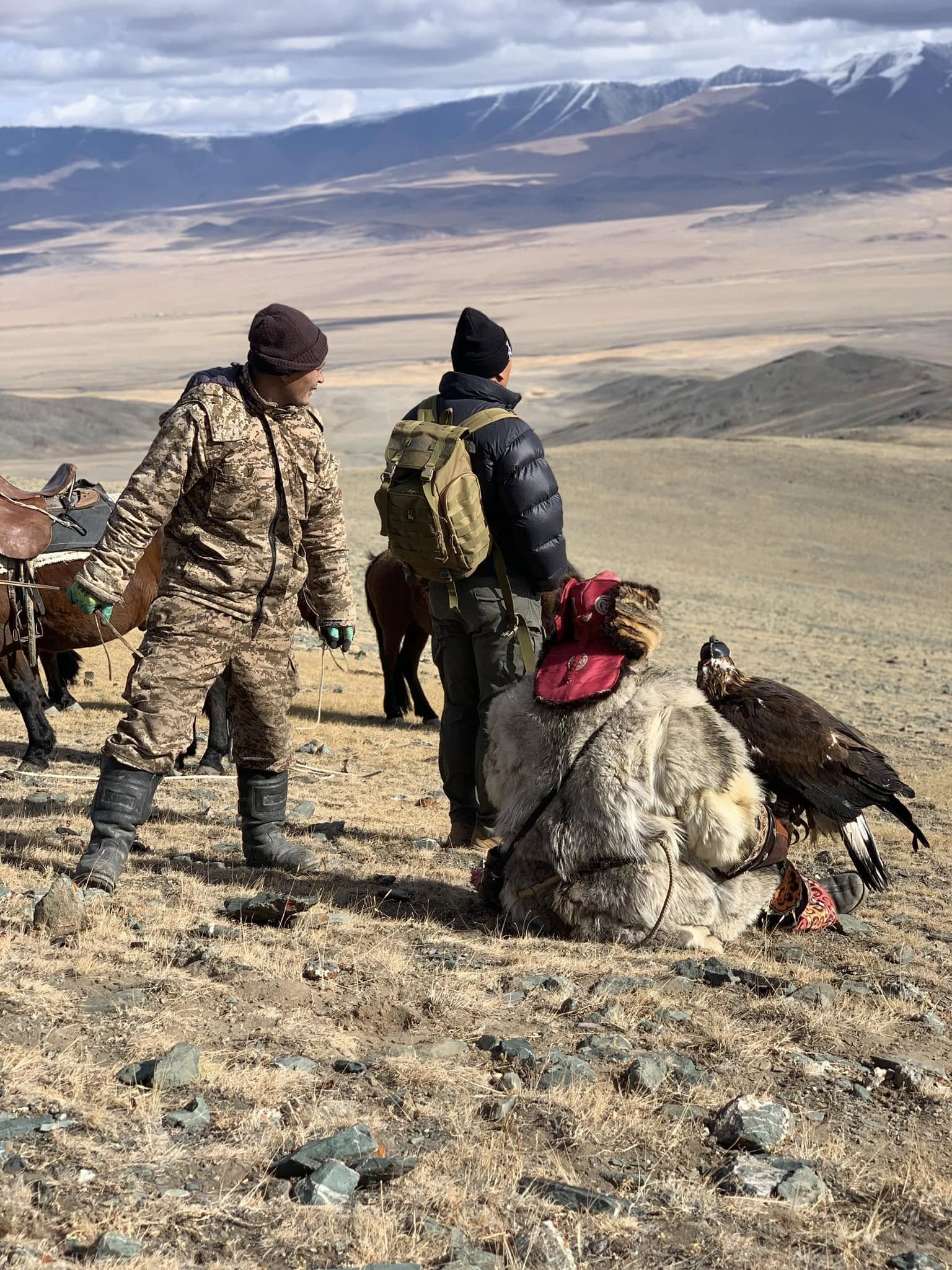
Mongolia — endless blue skies, sweeping grasslands, and the kind of silence that feels sacred. I came here for the Eagle Festival, but the journey itself became part of the adventure: a missed flight, a 28-hour shared shuttle across rugged roads to reach Ulgii, and the humbling reminder that the best stories often come unplanned.
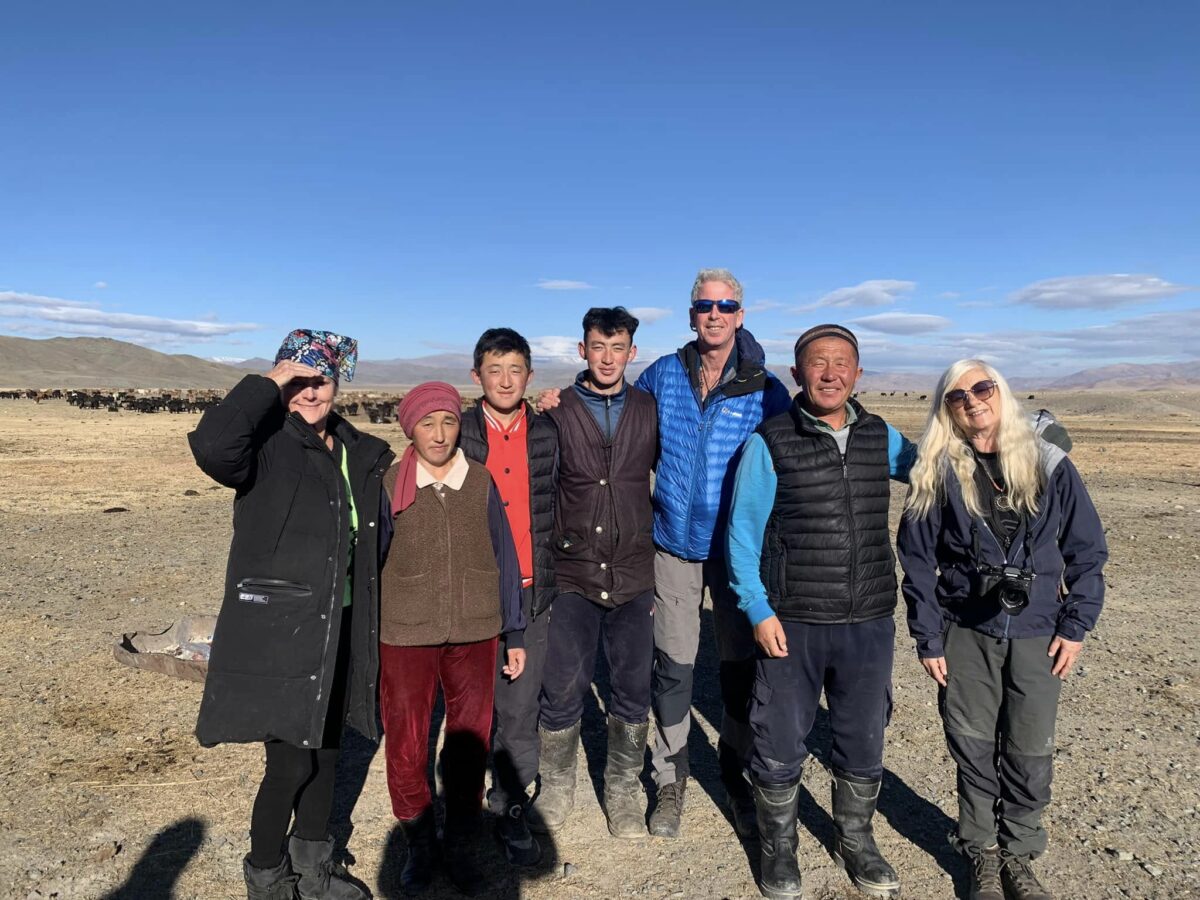
Before the festival, I had the chance to ride through the steppe on horseback and join a local family for a traditional fox hunt. My guide and new friend was an eagle hunter by profession and a musician by heart — between hunts, he’d play and sing with a voice that carried across the plains. At one point, the hunters spotted movement in the distance. The eagles were alert, but the girls in our group weren’t quite in the mood to chase!
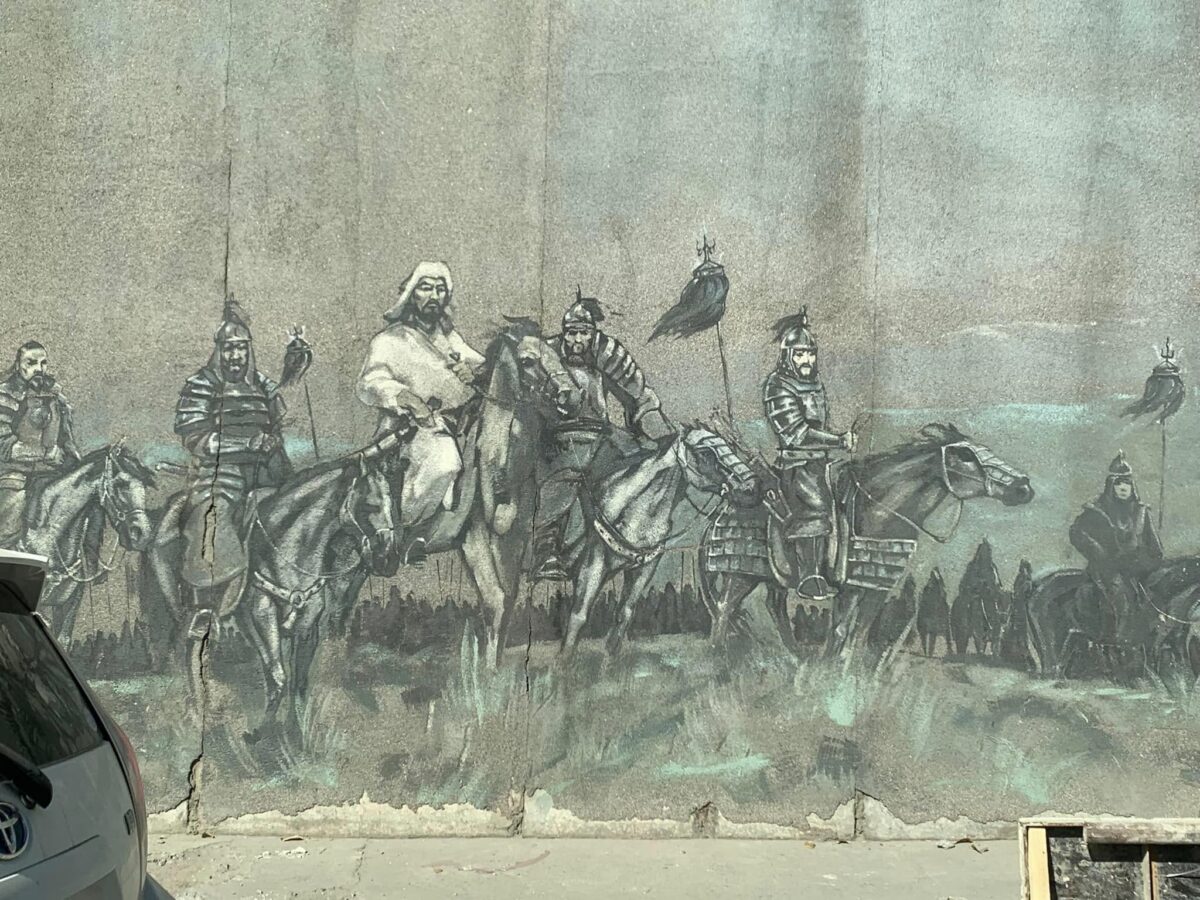
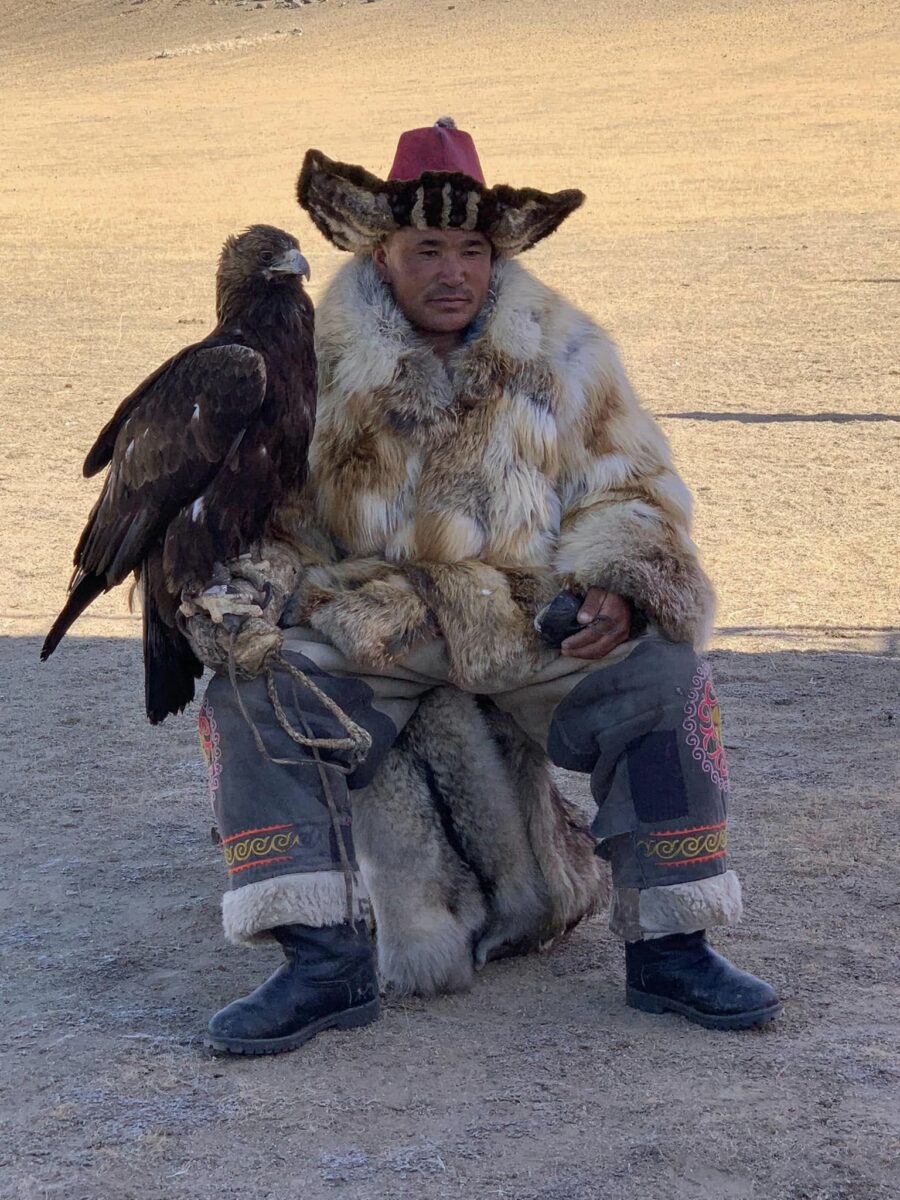
In Mongolia, foxes are hunted only by eagle hunters — their meat is reserved for the eagles, while the pelts are used to make hats and jackets. Wolves, on the other hand, are fair game for locals, valued for their thick, warm fur. Along the dusty highway, sculptures of Chinggis Khan in gleaming white stand tall, guardians of a proud and enduring heritage.
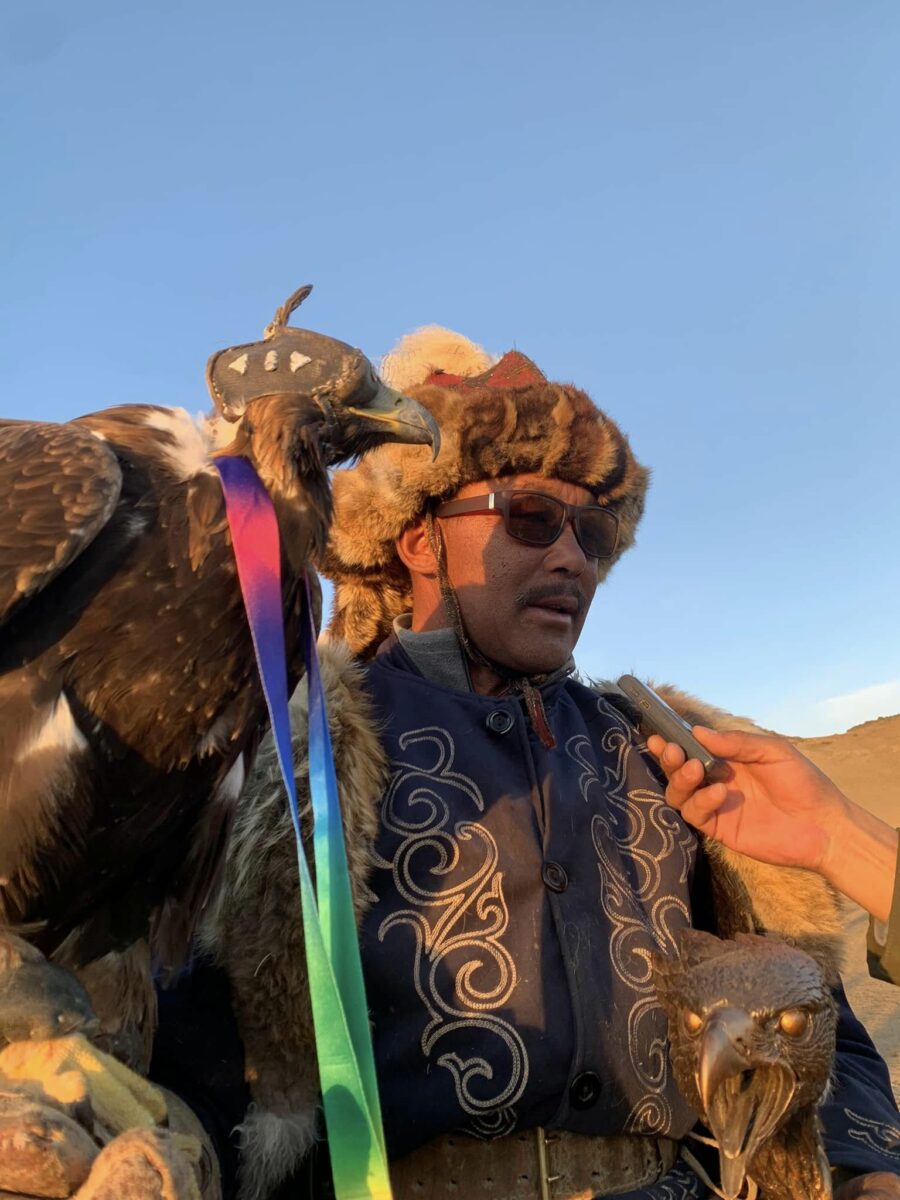
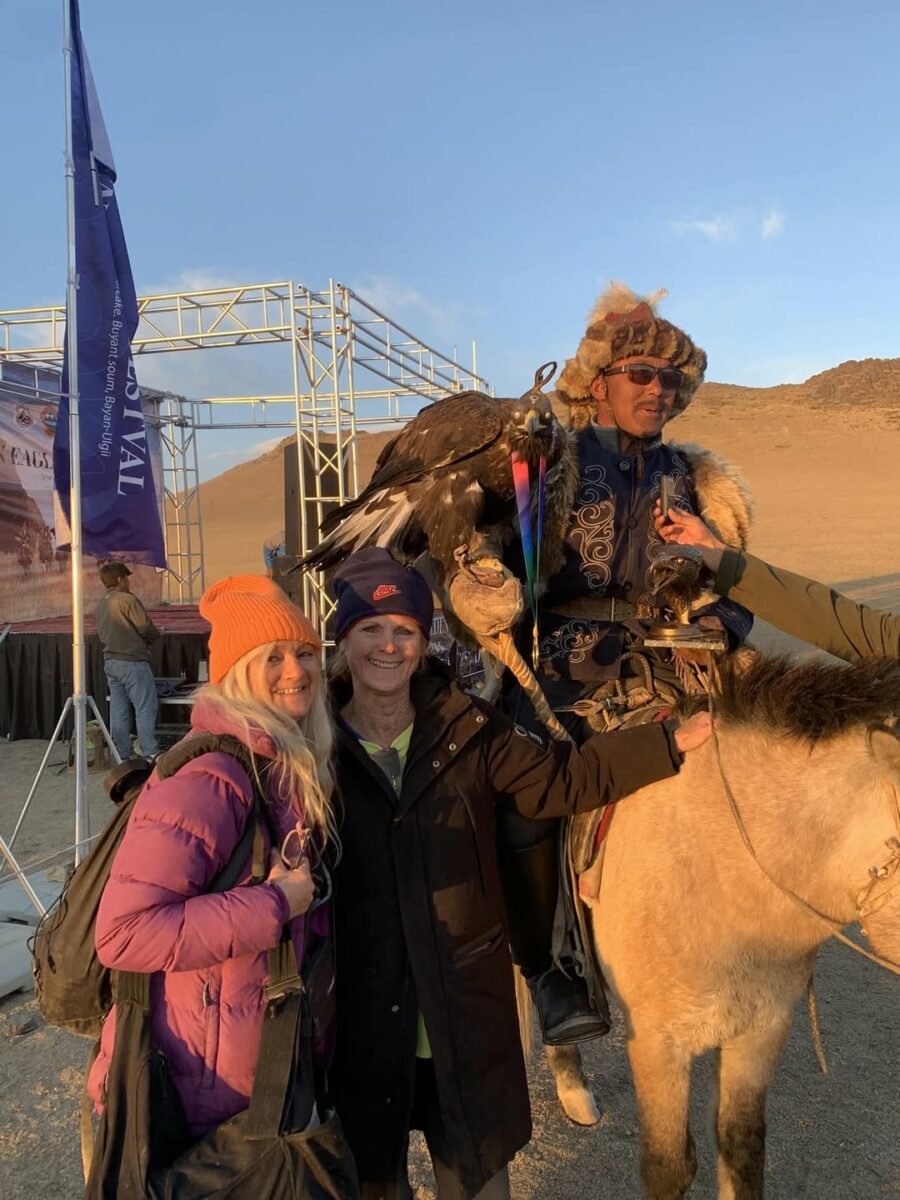
At the Eagle Festival, I witnessed skill, strength, and artistry on full display. The winners were celebrated with a bronze eagle-head trophy, a gold medal, two special prizes, and 3 million tugrik in cash — not to mention well-earned fame. Among them was the youngest eagle hunter, just 11 years old, whose confidence on horseback rivaled the adults.
One of the most exciting events was a tug-of-war on horseback, using a headless 66-pound sheep. Each rider begins with two hands pulling; if one loses grip, the contest continues with just one. The rule is simple — stay mounted, no grabbing the saddle, no giving up. Referees in full traditional attire stand close by, barely a few feet from the action, ready to call the winner.
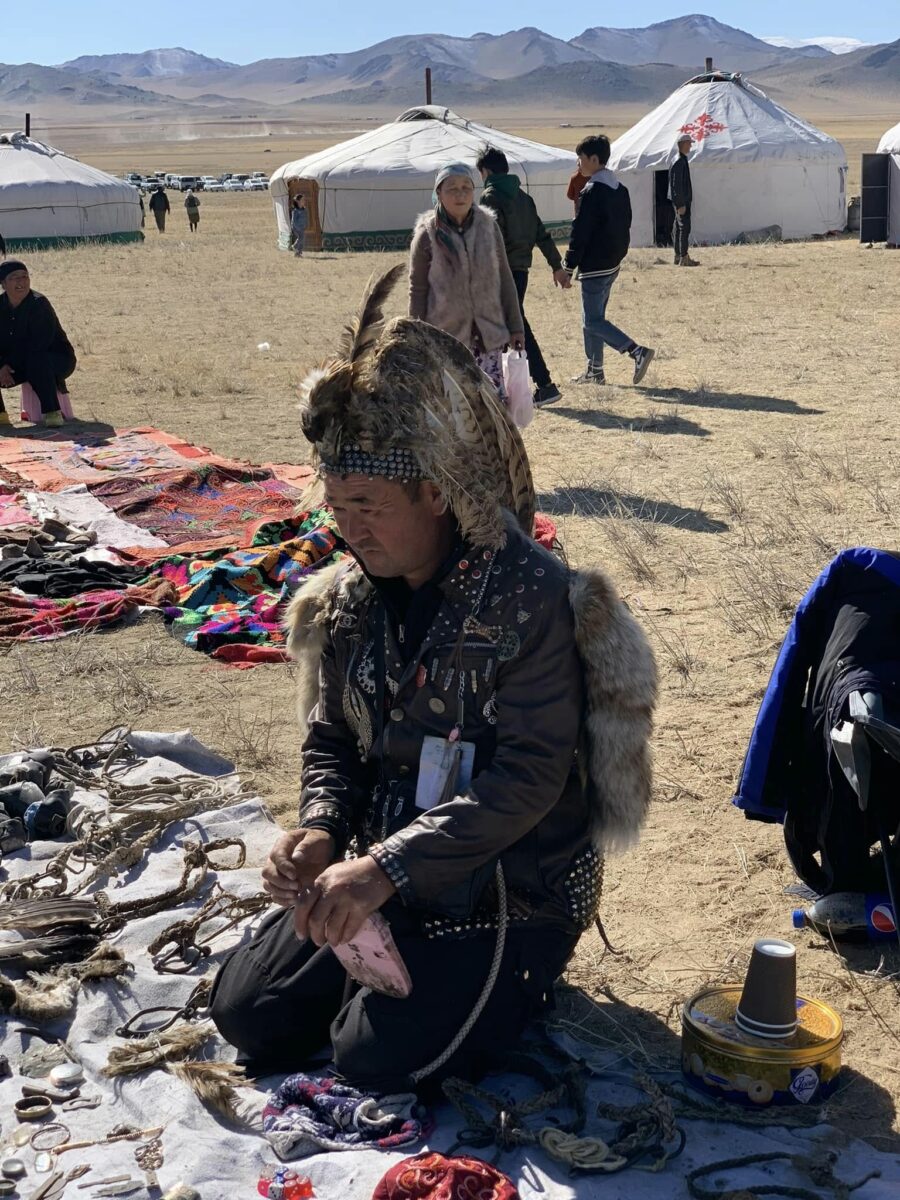
Around the festival grounds, merchants sold everything from carved trinkets to wolf teeth and sacred falcon talons — powerful symbols in local culture, said to carry protection and strength. One Kazakh man, his headdress adorned with two great wings, proudly shared the stories behind each item.
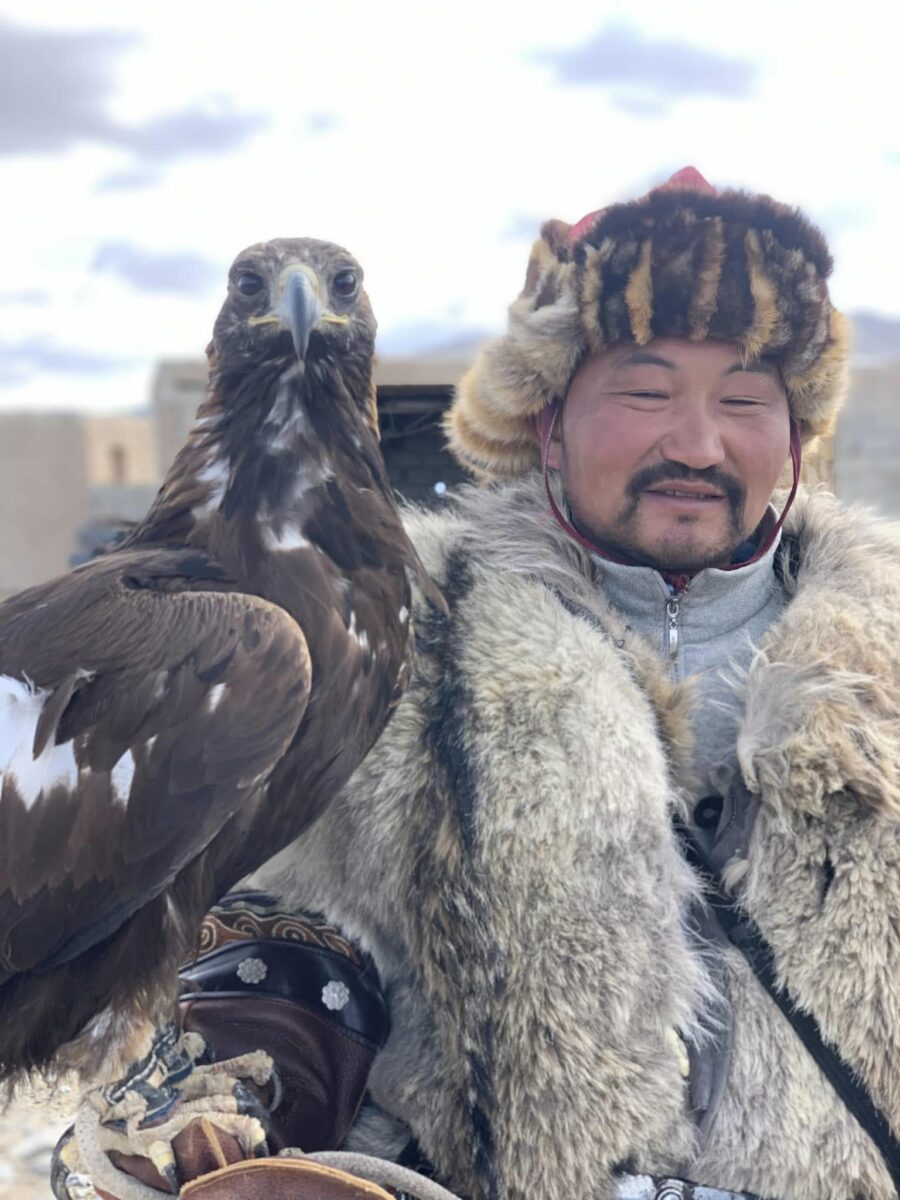
Between events, I met many of the participants — men and boys who, for a few days, become stars of their own open-air stage. They pose eagerly for photos, proud of their craft, their culture, and the wild beauty of their land. On the way to Ulgii, we even passed a few camels, calmly crossing the plains as if time didn’t exist here at all.
Back in Ulaanbaatar, I discovered a local custom that perfectly captures Mongolia’s spirit of community — if you need a ride, just raise your arm. Within minutes, someone will stop, offer you a lift, and for a small fee (or just conversation), you’ll find yourself not just getting somewhere, but sharing stories along the way.
Mongolia has a way of reminding you that connection — between people, animals, and land — is what truly keeps the world moving.
Leave a Reply